Skin Rashes Explained: Types, Causes, and When to See a Doctor
Skin Rashes Explained: Types, Causes, and When to See a Doctor
A skin rash is a visible change in the skin’s appearance, often presenting as red, itchy, or irritated patches. Rashes occur when the skin reacts to external factors like allergens, irritants, or infections, or as a result of internal causes like immune system disorders. They can be mild or severe, ranging from minor irritation to symptoms that disrupt daily life.
Accurately identifying the cause of a rash is critical for effective treatment and preventing complications. To do this, observe the rash’s appearance, onset, and any recent exposures (such as new plants, medications, or chemicals). This guide explains how to distinguish common rashes, including the difference between a standard rash and poison ivy, and offers evidence-based advice for relieving red, itchy skin and knowing when professional evaluation is needed.

Understanding the Anatomy of a Skin Rash
Before attempting to self-diagnose or treat a skin rash, it is essential to understand the biological mechanisms that drive these visible symptoms. A rash is not a disease in itself; rather, it is a clinical sign of an underlying inflammatory or infectious process.
Causes of Skin Rashes
When the body detects a perceived threat, whether it is a bacterial infection, a foreign chemical, or a friction-induced micro-abrasion, the immune system initiates a highly coordinated defensive response. Mast cells, which reside in the connective tissue immediately beneath the skin’s surface, degranulate and release histamine, cytokines, and other inflammatory mediators. These chemicals cause local blood vessels to dilate and become more permeable, allowing specialized white blood cells and fluid to flood the affected area.
This localized vasodilation and fluid accumulation directly cause the classic signs of dermatological inflammation: erythema (redness), edema (swelling), localized warmth, and pruritus (itching). For individuals experiencing red patches on skin and itching, this histamine-driven vascular response is typically the primary culprit.
Common rash triggers include:
- Allergens: Plants (poison ivy, sumac), metals (nickel), fragrances, latex
- Irritants: Harsh soaps, industrial solvents, bleach, prolonged moisture
- Infections: Bacterial, fungal, or viral pathogens
- Environmental factors: Heat, sweat, friction, sun exposure
- Immune conditions: Eczema, psoriasis, lupus
- Medications: Antibiotics, NSAIDs, and other drugs can trigger systemic rashes
Classifying Rashes on Skin
To accurately interpret what your skin is communicating, clinicians evaluate several morphological characteristics. Understanding these categories makes it significantly easier to identify the type of rash and select the appropriate treatment:
- Macules: Flat, discolored spots with no surface elevation
- Papules: Raised, solid bumps less than 1 cm in diameter
- Vesicles: Small, fluid-filled blisters — the hallmark of poison ivy and herpes reactions
- Plaques: Broad, raised, scaly areas often associated with psoriasis or chronic eczema
By analyzing these morphological traits alongside the patient’s medical history and environmental context, it becomes significantly easier to categorize the eruption and select the appropriate therapeutic intervention.
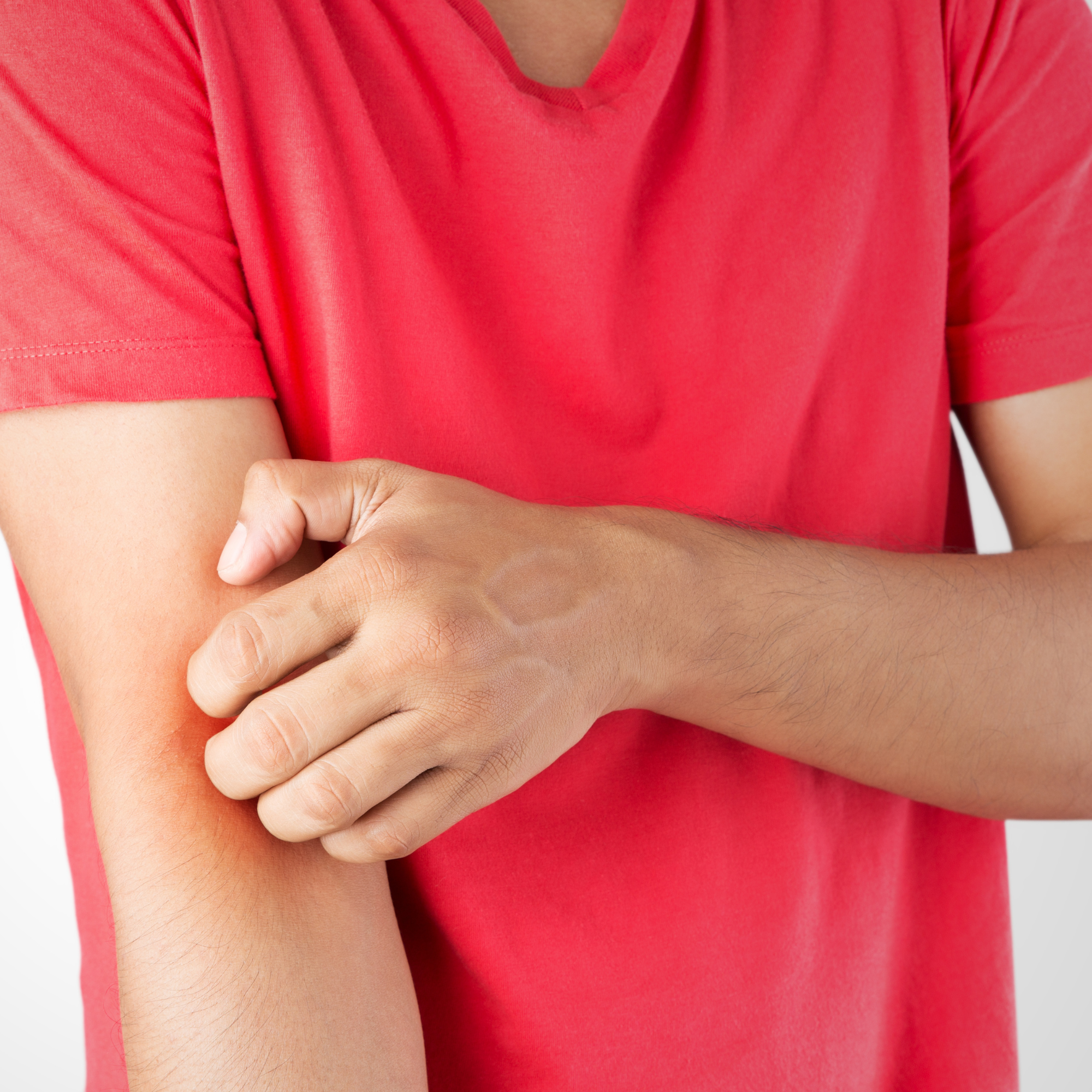
Skin Different Kinds of Rash: A Clinical Breakdown
Because the skin responds to myriad stimuli in relatively limited ways, many distinct conditions can appear visually similar to the untrained eye. However, close inspection reveals distinct clinical signatures for the most common skin conditions.
Atopic Dermatitis (Eczema)
Eczema is a chronic, non-contagious inflammatory skin condition characterized by a compromised epidermal barrier. Individuals with atopic dermatitis possess genetic variations that affect the skin’s ability to retain moisture and protect against environmental antigens. Key features include:
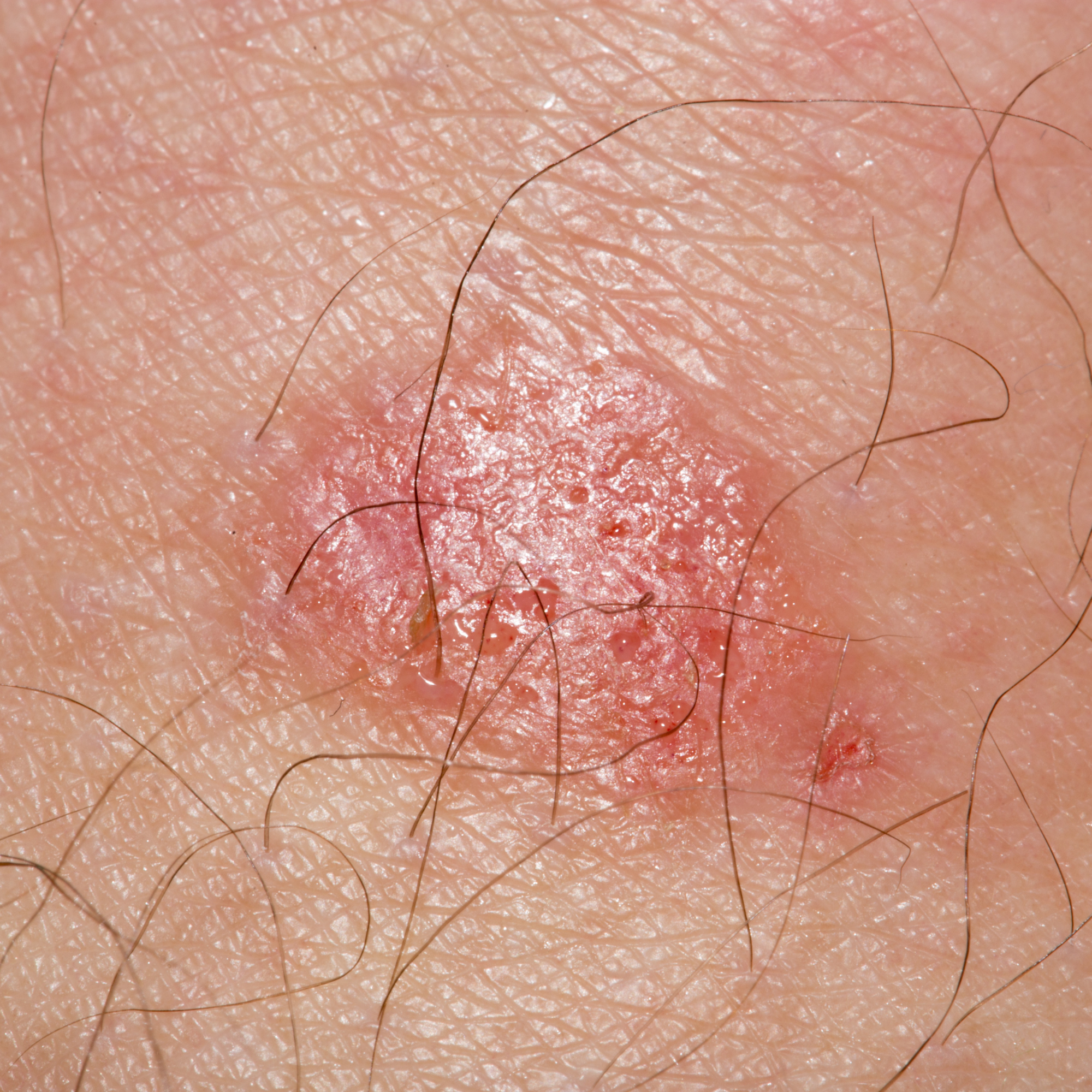
- Appearance: Ill-defined red patches that may weep fluid when scratched, eventually crusting over and thickening (lichenification) over time
- Location: Typically affects flexural areas — inner elbows, backs of knees, neck, and wrists
- Triggers: Temperature fluctuations, specific fabrics, harsh soaps, or emotional stress
- Hallmark symptom: Intense itching that leads to a “scratch-itch cycle,” further damaging the skin barrier and inviting secondary bacterial infections

Contact Dermatitis
Unlike the chronic nature of eczema, contact dermatitis is an acute condition triggered by direct physical contact with an external substance. This category is subdivided into two distinct types:
- Irritant Contact Dermatitis: This occurs when a harsh chemical, such as industrial solvents, concentrated bleach, or even excessive hand-washing with alkaline soap, physically strips the protective lipid layer from the epidermis. The reaction is typically localized to the exact area of contact and often presents as dry, cracked, burning, or stinging skin rather than an intensely itchy rash.
- Allergic Contact Dermatitis: This is a Type IV delayed hypersensitivity reaction. The immune system erroneously identifies a harmless substance (like nickel, latex, or certain fragrance compounds) as a dangerous invader. Upon re-exposure, immune cells mount an inflammatory attack. This type of reaction typically produces profound itching, redness, and occasionally blistering.

Heat Rash (Miliaria)
Heat rash develops when the eccrine sweat gland ducts become physically occluded, trapping perspiration beneath the epidermis. This trapped sweat triggers a localized inflammatory response. Key features include:
- Appearance: Clusters of tiny, superficial red bumps or clear, fluid-filled micro-blisters
- Location: Predominantly situated in skin folds — neck, groin, underarms, and areas of friction
- Cause: Hot, humid climates or restrictive, non-breathable clothing during strenuous physical activity
- Resolution: Typically resolves on its own once the skin is cooled and allowed to breathe

Fungal and Bacterial Infections
Microbial invasions also produce distinct rashes on skin. Tinea corporis (ringworm) is a classic fungal infection that presents as annular (ring-shaped) scaly lesions with central clearing and an active, elevated red border — despite its name, it has nothing to do with worms. Conversely, bacterial infections like impetigo frequently manifest as rapidly spreading clusters of vesicles or pustules that rupture to leave behind a characteristic honey-colored crust. Unlike eczema or contact dermatitis, these conditions are contagious and typically require antifungal or antibiotic treatment.
Enjoy the outdoors without the worry.
Experience fast relief from poison ivy itch and irritation with Ivarest

Skin Rash vs Poison Ivy Rash: Spotting the Differences
One of the most frequent diagnostic dilemmas faced during the warmer months involves differentiating a generic inflammatory skin reaction from a severe botanical encounter. Understanding the clinical presentation of a skin rash vs poison ivy rash is crucial, as the latter often requires more aggressive and specialized management.
The Urushiol Oil Reaction
Poison ivy, poison oak, and poison sumac all produce a highly potent allergenic resin known as urushiol. When distinguishing a skin rash vs poison ivy rash, the defining factor is the body’s profound allergic response to this specific oleoresin. Urushiol is incredibly resilient and can easily transfer from the plant to clothing, pet fur, gardening tools, and eventually onto human skin.
A poison ivy reaction is a severe form of allergic contact dermatitis. Unlike irritant contact dermatitis, which occurs almost immediately upon exposure to a caustic substance, a poison ivy rash features a delayed onset. Symptoms typically emerge anywhere from 12 to 72 hours after initial contact, depending on the individual’s degree of sensitization and the volume of urushiol absorbed.
Visual Characteristics and Progression
While general eczema or standard allergic reactions frequently appear as diffuse red patches on skin and itching that is generalized, a poison ivy rash has a highly distinctive morphological signature.
First, the rash almost always presents in distinct linear streaks or asymmetrical patches. This artificial-looking pattern mirrors the exact physical trajectory of the plant brushing against the skin or the path of the patient’s contaminated fingernails subsequently scratching adjacent areas.
Second, while early stages may resemble generic redness and swelling, poison ivy rapidly progresses to form intensely pruritic (itchy) vesicles and larger bullae (blisters). These fluid-filled blisters are the hallmark of a severe urushiol reaction. A common misconception is that the clear fluid weeping from these ruptured blisters can spread the rash to other body parts or other people. In reality, the blister fluid is purely an inflammatory byproduct; the rash only spreads if the original, unwashed urushiol oil is physically transferred to new areas of skin.
Poison Ivy Solutions: Effective Treatment and Relief
Once you have identified that your rash is from poison ivy, oak, or sumac, the approach must shift to urushiol-specific treatment. Standard moisturizers and basic hydrocortisone are simply not formulated for the severity of a urushiol-driven reaction. Managing a poison ivy rash requires a dual-pronged approach: immediate decontamination to halt further urushiol absorption, followed by targeted symptom management to control the intense inflammation and prevent secondary infections.
Immediate Decontamination Protocols
If you think you’ve come into contact with a toxic plant, act quickly — urushiol can bond to the skin in as little as 10 to 30 minutes. Wash the area immediately with a specialized poison ivy wash, Ivarest Poison Ivy Oil Removal & Itch Relief Pads, or, if unavailable, dishwashing liquid and plenty of cool water. Avoid hot water, as it can open pores and allow deeper penetration of urushiol. Be sure to thoroughly clean any contaminated clothing, shoes, and tools with strong detergent to prevent future exposure.
Advanced Symptom Management and the Role of Ivarest Products
Once a poison ivy rash appears, prompt and effective symptom relief is key. Standard moisturizers and basic hydrocortisone are typically not enough for severe itching and blistering — a targeted, multi-ingredient approach is needed.
Over-the-counter solutions like Ivarest Poison Ivy Itch Cream or Ivarest Poison Ivy Itch Spray are designed specifically for poison ivy and related plant rashes, combining three clinically active ingredients that work simultaneously:
- Diphenhydramine Hydrochloride 2% (Antihistamine): Blocks histamine receptors at the source of the allergic response — the same mechanism behind prescription antihistamine treatments, available OTC at max strength in Ivarest’s formula. This directly targets the relentless itch driven by the immune system’s overreaction to urushiol.
- Benzyl Alcohol 10.5% (Topical Analgesic): Delivers fast-acting localized relief from the burning and stinging of active blisters. Most generic OTC anti-itch products do not include this ingredient, which is why Ivarest works faster and more completely than standard hydrocortisone alone.
- Calamine 14% (Skin Protectant): Dries weeping, oozing blisters and forms a soothing protective barrier over broken skin — accelerating the healing process and reducing the urge to scratch. Ivarest products have almost double the industry average of calamine in Ivarest’s formula for maximum effectiveness.

Together, these ingredients provide up to 8 hours of relief. The cream delivers concentrated coverage on localized patches, while the spray is ideal for larger areas, hard-to-reach spots, or skin too tender to touch.
Universal At-Home Care Protocols for Rashes on Skin
Whether you are battling a mild case of eczema, a heat-induced eruption, or recovering from a severe bout of contact dermatitis, certain universal dermatological principles apply. Adhering to these standard at-home care protocols will support the skin’s natural regenerative processes and mitigate the severity of red patches on skin and itching.
Temperature Regulation and Hydrotherapy
Heat is a potent vasodilator and can drastically exacerbate both inflammation and the sensation of itching. Therefore, all topical treatments, compresses, and bathing water should be kept cool or lukewarm. Taking a colloidal oatmeal bath for 15 to 20 minutes can provide substantial, immediate relief. The complex starches and beta-glucans found in colloidal oatmeal bind to the skin, creating a protective, moisture-retaining film that soothes irritation and modulates local inflammation. Following any bath, the skin should be gently patted dry with a clean, soft towel, never rubbed, to avoid inducing further micro-trauma.
Barrier Repair and Protection
For non-weeping rashes (like eczema or dry irritant contact dermatitis), rapid rehydration of the stratum corneum is essential. Applying a thick, fragrance-free emollient ointment or ceramide-rich cream within three minutes of exiting the bath traps moisture in the epidermis and helps rebuild the compromised lipid barrier.
Conversely, for weeping, blistered rashes (such as poison ivy or severe allergic contact dermatitis), thick ointments should be avoided, as they can trap heat and exudate. Instead, rely on astringent preparations, calamine lotion, or specialized drying treatments like Ivarest cream until the blistering phase has completely resolved.
Recognizing Complications: When to Seek Medical Attention
While the vast majority of rashes on skin can be safely and effectively managed through diligent at-home care and strategic over-the-counter interventions, certain clinical presentations warrant immediate evaluation by a qualified healthcare provider or dermatologist. Recognizing these dermatological red flags can prevent severe systemic complications.
You should seek prompt medical attention if you experience any of the following clinical signs:
- Signs of Secondary Infection: Scratching can introduce bacteria into broken skin. See a doctor if a rash becomes more painful, hot, oozes yellow or green pus, or develops spreading red streaks, which may need antibiotics.
- Systemic Symptoms: A rash with high fever, severe fatigue, joint pain, or trouble breathing may signal a serious reaction or infection needing immediate medical attention.
- Sensitive Anatomical Locations: If a rash spreads to mucous membranes, eyes, or the genital area, prescription treatments like oral corticosteroids may be needed to prevent lasting damage.
- Rapid Dissemination: See a doctor if a rash rapidly spreads to cover more than 25% of your body within 24 hours.
- No Improvement After 7–10 Days: If consistent at-home treatment is not producing results, a dermatologist can prescribe stronger topical or oral therapies.
By understanding the physiological mechanisms behind dermatological inflammation, accurately identifying the visual clues of the skin different kinds of rash, and employing targeted therapies, individuals can successfully navigate the discomfort of skin eruptions and restore their skin to optimal health.
Poison ivy rashes usually appear 12–48 hours after contact with the plant and present as itchy, red patches that may develop into blisters arranged in linear streaks. The classic distribution follows the pattern of contact with the plant’s oil, urushiol. Other plant rashes may not follow this pattern and can have different blistering or scaling appearances.
Rashes caused by viral (e.g., chickenpox, shingles) or bacterial infections (e.g., impetigo) are potentially contagious. Signs of a contagious rash include rapidly spreading lesions, presence of pus or honey-colored crusts, and systemic symptoms like fever. Rashes due to allergy or contact with irritants are not contagious.
You should seek prompt medical attention if you experience:
- Sudden onset of a widespread rash
- Trouble breathing, facial or tongue swelling (signs of anaphylaxis)
- Blistering involving the eyes, mouth, or genitals
- Signs of infection: pus, increased redness, swelling, warmth, or pain
- Associated high fever, headache, or stiff neck
- Contact dermatitis: Typically improves within 1–3 weeks after allergen exposure ends.
- Mild poison ivy: May last 2–3 weeks.
- Viral rashes: Duration varies; some resolve in a few days, others (such as shingles) may last several weeks.
- Chronic conditions (eczema, psoriasis): Relapses are common; ongoing management is often required.
To identify your rash, consider the following factors:
- Appearance: Note the color, shape, texture (flat, raised, scaled, blistered), and whether it forms spots, patches, or plaques.
- Location: Where did the rash start, and is it spreading? Is it limited to areas exposed to certain substances or more generalized?
- Symptoms: Is it itchy, painful, burning, or associated with swelling or fever?
- Timing: When did the rash begin? Did it follow a new activity, exposure, or medication?
- Associated exposures: Recent contact with plants, new skincare products, medications, sick contacts, or travel can provide clues. Photographs can be helpful for pattern recognition. If the rash is rapidly spreading, very painful, blistering, or accompanied by systemic symptoms, seek prompt medical care.
The five most common rashes adults encounter include:
- Contact Dermatitis: Red, itchy rash developing where skin touches an irritant or allergen (e.g., poison ivy, nickel, new soaps).
- Eczema (Atopic Dermatitis): Chronic, intensely itchy patches that are dry and often occur on flexor surfaces (elbows, behind knees).
- Psoriasis: Well-demarcated red plaques with silvery scales, commonly on scalp, elbows, or knees.
- Fungal Infections (e.g., Ringworm, Athlete’s Foot): Scaly, sometimes ring-shaped patches, often on feet, groin, or moist areas.
- Viral Exanthems (e.g., shingles, viral rashes): Red spots or blisters, sometimes painful or accompanied by other symptoms like fever.
Rashes develop when the skin reacts to:
- Allergens or irritants (e.g., plants, cosmetics, metals, latex)
- Infections (viral, bacterial, or fungal organisms)
- Chronic skin conditions (such as eczema or psoriasis)
- Medications that trigger immune or allergic responses
- Environmental factors (heat, sun exposure, humidity) The specific cause is often clarified by location, appearance, recent activities, and personal history.
Allergic skin rashes most often appear as:
- Red, itchy patches or plaques that may swell
- Tiny bumps or fluid-filled blisters
- Occur where skin contacted the trigger (e.g., wrist after nickel watch, lips after certain foods)
- Margins often clear and well-demarcated; in cases like poison ivy, may appear in streaks, often with blistering Allergic rashes like contact dermatitis develop shortly after exposure and can worsen with repeated contact. The rash subsides once the allergen is removed and may respond to moisturizers or over-the-counter hydrocortisone for mild cases.