How to Identify Poison Ivy: Your Essential Year-Round Guide
How to Identify Poison Ivy: Your Essential Year-Round Guide
Poison ivy is a plant that can turn a peaceful outdoor adventure into an irritating experience. Its toxic oil, urushiol, can cause an itchy rash that lingers for days or weeks. Knowing how to identify poison ivy is essential for anyone who hikes, gardens, or enjoys time outdoors.
This guide covers everything from recognizing poison ivy’s telltale features to understanding its seasonal changes and distinguishing it from similar plants like poison oak and sumac.
Let’s explore how to protect yourself from nature’s most notorious irritant.
What Does Poison Ivy Look Like? Key Characteristics
The first step in identifying poison ivy is recognizing its distinct features. Use this age-old saying to keep you itch-free.
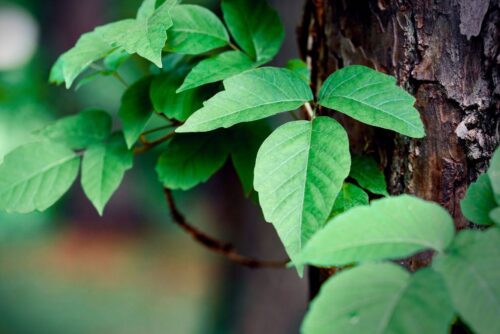
1. “Leaves of Three, Let Them Be”
- Poison ivy leaves grow in clusters of three leaflets.
- The middle leaflet is slightly larger and has a longer stalk.
- Leaf edges may be smooth, toothed, or lobed, depending on the plant’s growth stage.
If you’re unsure, err on the side of caution and assume any three-leafed plant could be poison ivy.
2. Versatile Growth Forms
Poison ivy is a shape-shifter, adapting to its environment by growing as:
- Ground Cover: Creeping along fields or gardens.
- Climbing Vine: Clinging to trees, fences, or walls with hairy aerial roots.
- Shrub: A low-growing bush in areas without vertical surfaces.

Can poison ivy grow in grass? Yes, poison ivy often hides in grassy areas, blending in with its surroundings.
Seasonal Changes: Poison Ivy Year-Round
Recognizing poison ivy through the seasons is key to avoiding contact:
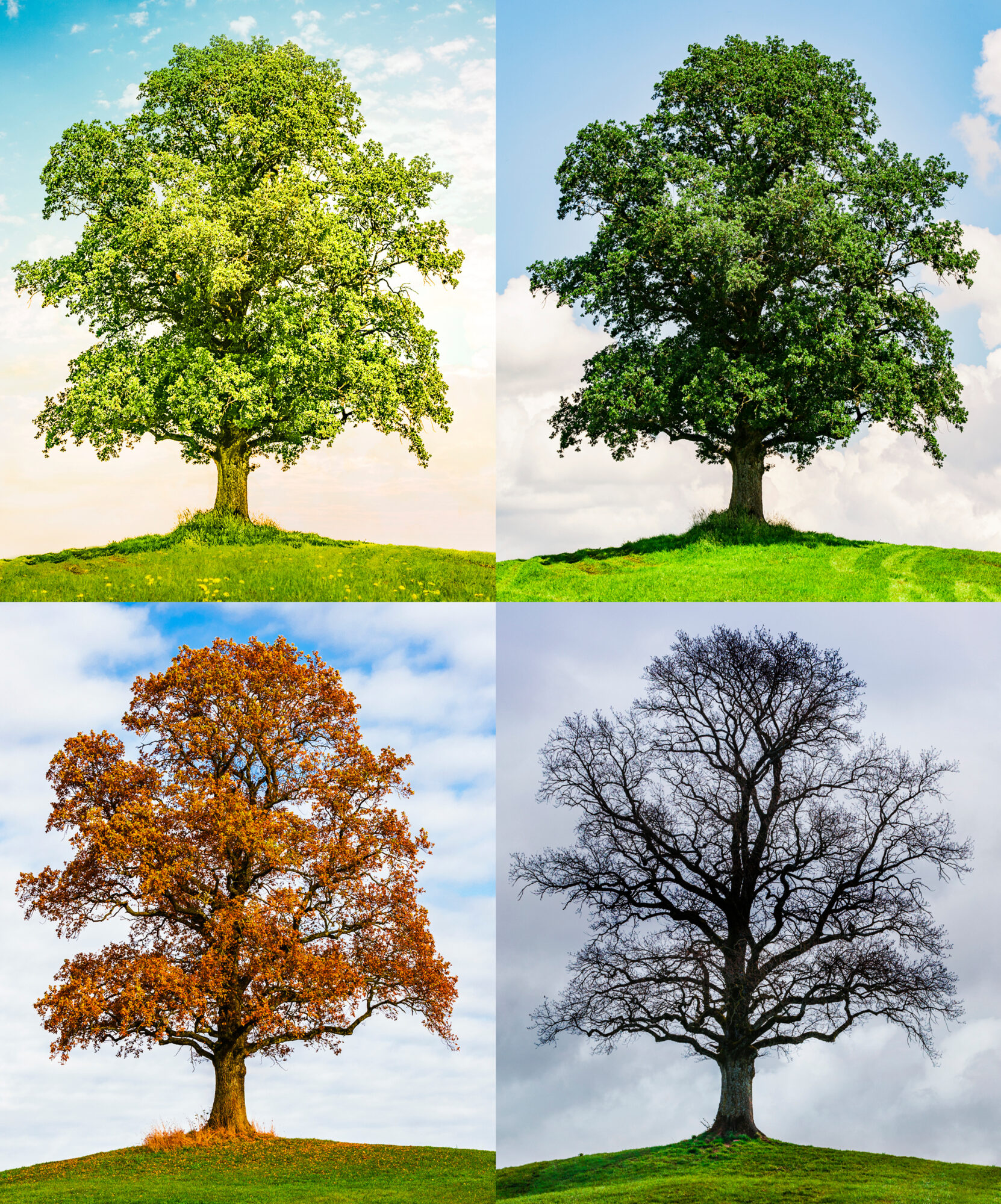
- Spring: Leaves appear reddish and glossy.
- Summer: The plant thrives with green leaves, which may look shiny or matte.
- Fall: Leaves turn yellow, orange, or red, and white berries appear.
- Winter: Poison ivy loses its leaves, but its hairy vines and stems remain toxic.
Can you get poison ivy in the winter? Yes, even bare stems contain urushiol and can cause rashes.
How to Identify Poison Oak and Sumac
Poison oak and poison sumac are often confused with poison ivy — all three contain urushiol oil and produce rashes, but look different. Here’s how to tell them apart:
Poison Oak
- Leaves: Resemble oak leaves, with rounded, lobed edges.
- Leaflets: Grow in clusters of three, like poison ivy.
- Habitat: Common on the West Coast.
Poison Sumac
- Leaves: Smooth-edged and grow in pairs of 7–13 leaflets along a central stem.
- Growth: Found in swampy areas and grows as a shrub or small tree.
- Habitat: Found in the Northeast, Midwest, and parts of the southeast US.
How to identify poison ivy and sumac: Poison ivy always has three leaflets, while sumac has more.


Where Does Poison Ivy Grow?
Poison ivy thrives in various habitats, making it one of the most adaptable plants:
- Forests and Woodlands: Found along trails and edges.
- Urban Areas: Parks, gardens, and roadside fences.
- Wetlands: Thriving in moist, shady areas.
- Lawns and Fields: Can grow in grass, blending in with vegetation.
Watch for poison ivy along wooded edges or near overgrown areas.
How to Identify Poison Ivy Rash
Despite precautions, you might still brush against poison ivy. Here’s how to identify poison ivy rash:
- Appearance: A red, streaky rash that develops where the plant touches your skin.
- Symptoms: Intense itching, swelling, and fluid-filled blisters that may ooze.
- Onset: Symptoms usually appear 12–48 hours after contact.
Quick action is critical: Wash the affected area with soap and cool water within 15 minutes to reduce the severity of the rash.
Preventing Poison Ivy Contact
Prevention is the best way to stay itch-free. Here’s how:
- Learn to Identify It: Study the plant’s appearance across seasons.
- Wear Protective Gear: Long sleeves, pants, gloves, and boots help shield your skin.
- Use Barrier Creams: Apply creams with bentoquatam before outdoor activities.
- Avoid Contaminated Items: Wash clothes, tools, and shoes after exposure. Bathing pets that may have brushed against poison ivy is also important.
- Don’t Burn Poison Ivy: Burning releases urushiol into the air, which can cause severe lung irritation if inhaled.

Treating Poison Ivy Rash: Steps for Relief
If you suspect poison ivy exposure, follow these steps:
- Wash Immediately: Use soap and cool water as soon as possible. Specialized cleansers can help remove urushiol oil.
- Clean Contaminated Items: Wash all clothing, tools, and shoes in hot water with detergent.
- Soothe the Rash:
- Take cool oatmeal baths.
- Apply calamine lotion or a poison ivy relief cream or spray like Ivarest Poison Ivy Itch Cream or Ivarest Poison Ivy Itch Spray to reduce itching and dry out blisters.
- Avoid Scratching: Scratching can worsen symptoms and cause infections.
Monitor Severe Cases: If the rash spreads to your face, eyes, or genitals, or if breathing becomes difficult, seek medical attention immediately.
Enjoy the outdoors without the worry.
Experience fast relief from poison ivy itch and irritation with Ivarest

Frequently Asked Questions
Can Poison Ivy Grow in Grass?
Yes, poison ivy often grows as low ground cover, making it harder to spot in grassy areas.
Does Poison Ivy Die in the Winter?
No, poison ivy goes dormant in winter, but the oils on its stems and roots remain active.
How Do You Identify Poison Oak?
Poison oak has three-lobed leaflets that resemble oak leaves and is primarily found on the West Coast.
How Do You Treat Poison Ivy Rash?
Wash the skin immediately, soothe with calamine lotion or anti-itch creams, and avoid scratching. For severe cases, consult a doctor.
Conclusion:
Know How to Identify Poison Ivy and Stay Protected
Understanding how to identify poison ivy is key to avoiding its itchy wrath. Remember: “Leaves of three, let them be.” Whether it’s climbing a tree, spreading across your lawn, or hiding in the grass, poison ivy’s distinctive three-leaf pattern is your warning sign.
Protect yourself by wearing the right gear, using barrier creams, and washing thoroughly after outdoor activities. If you do come into contact, quick action and the right treatment—like Ivarest Poison Ivy Itch Cream —can help you recover faster.
With this guide, you’re ready to enjoy the outdoors confidently while steering clear of poison ivy’s uncomfortable surprises.