Home Remedies for Poison Ivy vs. Ivarest: What Actually Works?
Home Remedies for Poison Ivy vs. Ivarest: What Actually Works?
If you’ve ever come inside from gardening, hiking, or clearing brush with that telltale itch starting on your arm, you know the scramble that follows. Someone suggests an oatmeal bath. Someone else swears by apple cider vinegar. And somewhere in the medicine cabinet is a bottle of pink lotion that’s been there since last summer. Which of these actually works, and which just keeps you busy while the rash runs its course?
In this guide, we’ll walk through every common poison ivy home remedy, what it can and can’t do, and how it stacks up against a purpose-built treatment like Ivarest. By the end, you’ll know exactly how to treat poison ivy at each stage, from the moment you notice the itch to the day the rash finally clears.
How to Treat Poison Ivy: The Three Jobs a Treatment Has to Do
Before comparing products, it helps to understand what a poison ivy rash actually needs. Once urushiol (the oil in poison ivy, oak, and sumac that triggers the reaction) has made contact with your skin, a good poison ivy rash treatment has three jobs to do:
- Dry the weeping blisters. Poison ivy blisters ooze fluid as part of the allergic response, and drying that fluid speeds healing and helps prevent the rash from feeling worse than it needs to.
- Stop the itch. This is the symptom that actually disrupts your day and keeps you up at night, so numbing it fast matters.
- Calm the allergic reaction underneath. Antihistamines address the immune response driving the rash, not just what you feel on the surface.
Most home remedies handle one of these three jobs reasonably well. None of them, on their own, cover all three. Keep that framework in mind as you read through the options below, because it’s the reason some treatments feel like they help and others feel like they’re just something to do.
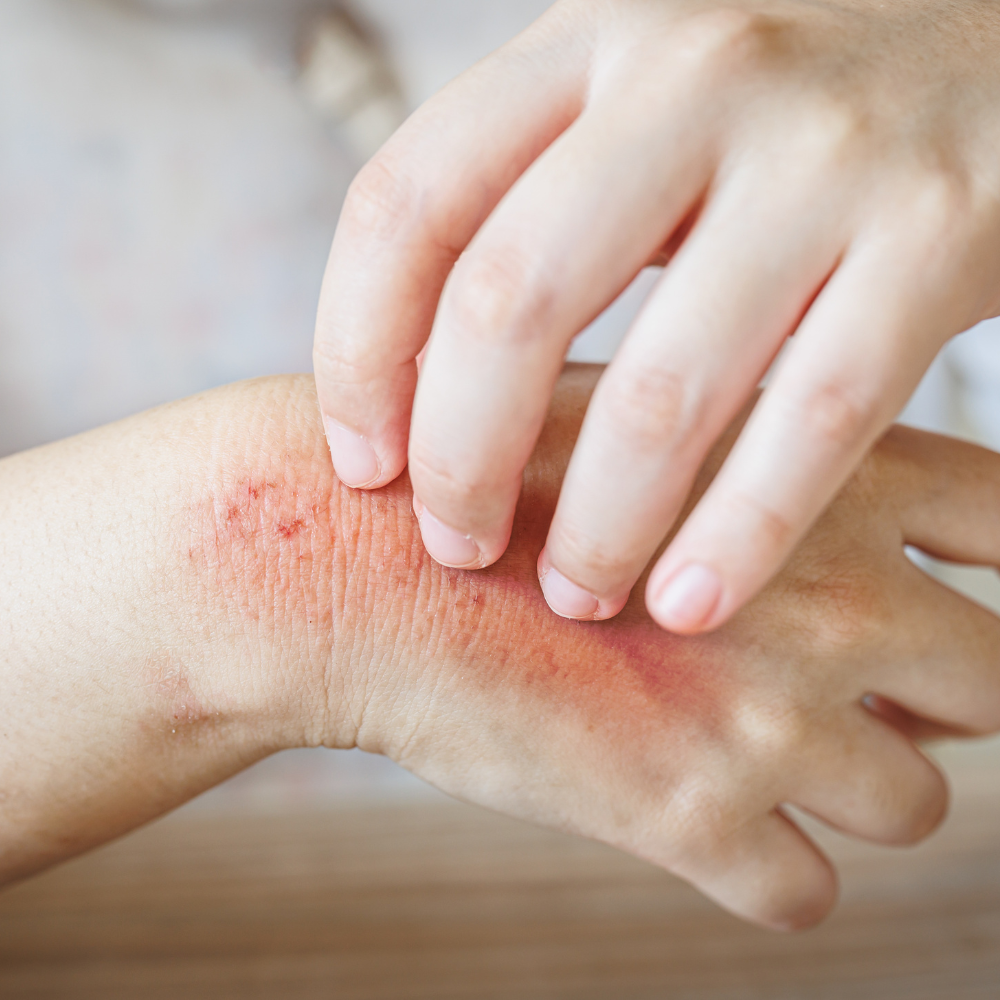
Poison Ivy Treatments Compared
Every home remedy and single-ingredient product on this list handles at most one of the three jobs a poison ivy rash treatment demands. Ivarest Poison Ivy Itch Cream is the only option here that covers all three: drying blisters, numbing itch on contact, and calming the allergic reaction for up to 8 hours per application.
| Treatment | Working ingredient(s) | Dries blisters | Numbs itch | Calms allergic reaction | Relief duration |
| Oatmeal bath | Colloidal oatmeal (avenanthramides) | ✗ | Mild | ✗ | Length of the bath |
| Cool compress | Cold water | ✗ | Temporary | ✗ | Minutes |
| Baking soda paste | Sodium bicarbonate | Mild | ✗ | ✗ | Until it flakes off |
| Apple cider vinegar | Acetic acid | Mild | ✗ | ✗ | Minutes; stings broken skin |
| Jewelweed (traditional) | Lawsone (disputed) | ✗ | Unproven | ✗ | Unproven |
| Plain calamine lotion | Zinc oxide | ✓ | ✗ | ✗ | Until reapplication |
| Hydrocortisone 1% cream | Hydrocortisone | ✗ (can worsen weeping) | ✗ | ✓ inflammation only, unbroken skin | A few hours |
| Oral Benadryl | Diphenhydramine (systemic) | ✗ | ✗ (sedation only) | Not at the rash site | Overnight |
| Ivarest Poison Ivy Itch Cream | Calamine 14% + benzyl alcohol 10.5% + diphenhydramine 2% | ✓ | ✓ on contact | ✓ at the rash site | Up to 8 hours |
Home Remedies for Poison Ivy
Every home remedy for poison ivy has a reason people reach for it, and most of them do offer some genuine relief. Here’s what’s actually happening with each one.
An oatmeal bath poison ivy soak works because colloidal oatmeal forms a soothing film over irritated skin. It’s genuinely comforting for widespread itch, especially if the rash covers a large area, but the relief lasts about as long as you’re in the tub. Once you towel off, the itch comes back.
A cool compress constricts blood vessels and numbs nerve endings, which takes the edge off for a few minutes at a time. It’s a good stopgap between other treatments, not a treatment on its own.
Baking soda poison ivy paste and diluted apple cider vinegar are both mild astringents, meaning they draw a small amount of fluid out of weeping blisters. The catch: baking soda can over-dry and crack the skin if you use too much, and vinegar stings badly on any skin that’s already broken. Both need to be used carefully and reapplied often to do much of anything.
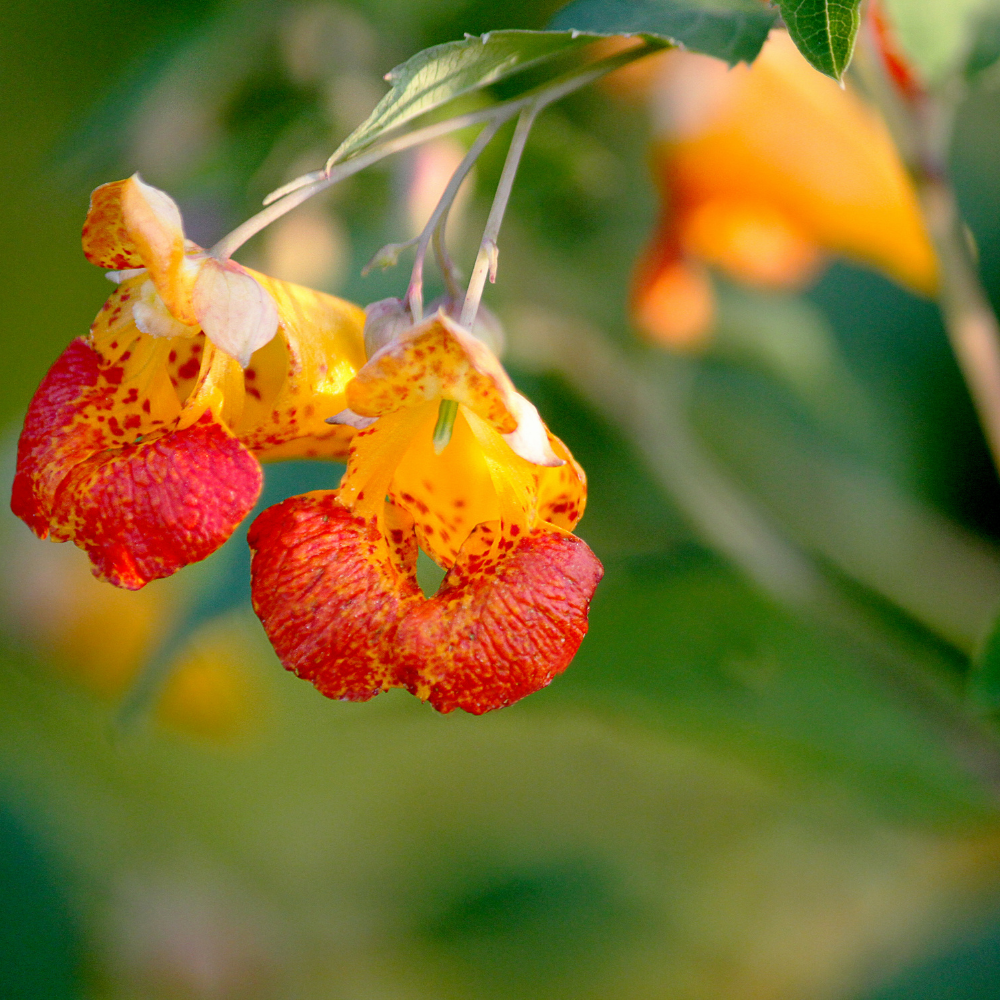
Jewelweed is the oldest remedy on this list, often found growing right alongside poison ivy in the wild. It has centuries of folklore behind it, but thin clinical evidence for actually neutralizing urushiol or calming a reaction once it’s started.
These remedies have a place. They’re inexpensive, most are already in your home, and they can genuinely help you get through the hours between applications of a real treatment. But none of them block the allergic reaction causing the itch in the first place, which is the piece that determines how long the rash actually bothers you.
Enjoy the outdoors without the worry.
Experience fast relief from poison ivy itch and irritation with Ivarest

Calamine Lotion for Poison Ivy: Relief Without a Fix
Calamine lotion for poison ivy earns its checkmark in the “dries blisters” column. Its zinc oxide base is a proven skin protectant and astringent that dries weeping blisters and cools the skin as it evaporates. There’s a reason the pink bottle has survived generations of medicine cabinets, and if you’re looking specifically for calamine lotion poison ivy relief, it genuinely does that one job well.
But read the label. Plain calamine lotion contains a single active ingredient. It has no antihistamine and no analgesic, meaning nothing in the bottle quiets the nerve endings telling you to scratch, and nothing addresses the allergic reaction happening underneath the skin.
Calamine is a strong ingredient. It’s just not a complete treatment.
For a full breakdown of how calamine-only products compare to medicated options, see our guide to the best poison ivy rash cream.
Hydrocortisone and Benadryl for Poison Ivy: Symptom Relief Only
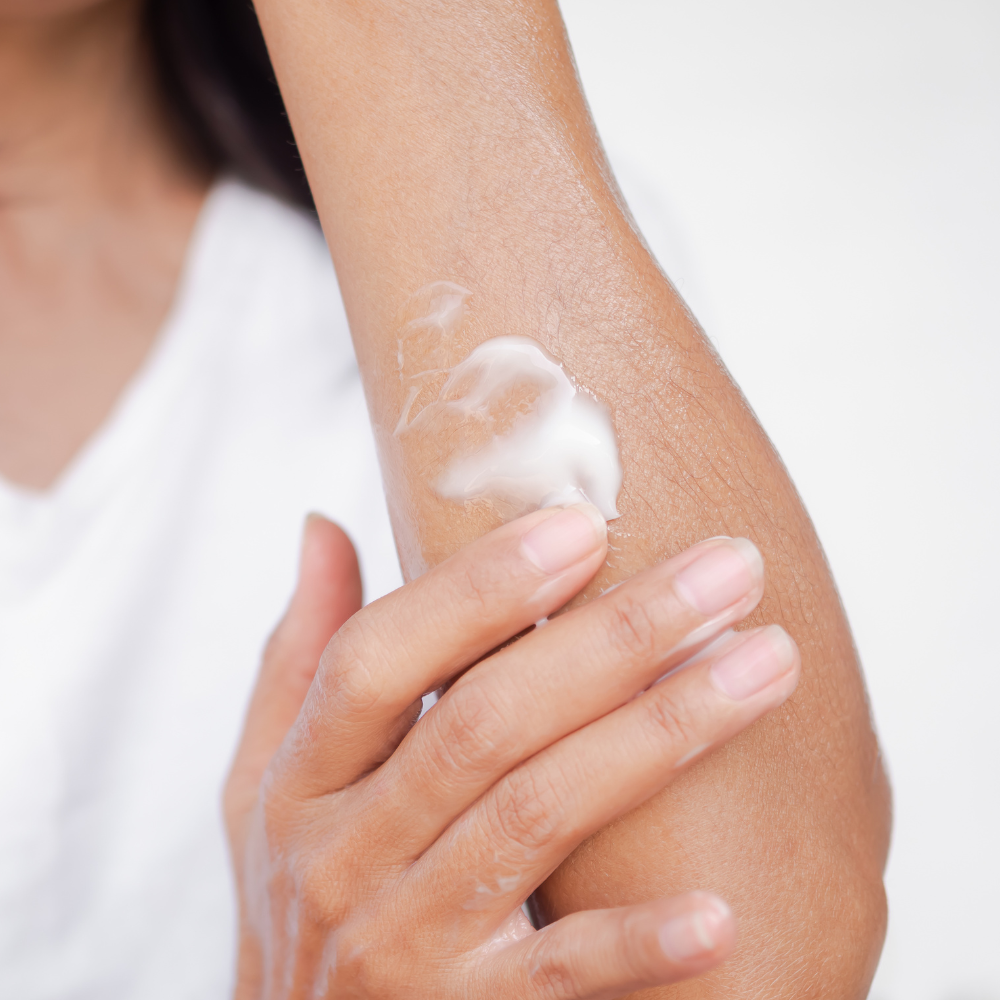
Hydrocortisone for poison ivy is a topical steroid that reduces inflammation, redness, swelling, and warmth. It works best early, on unbroken skin. Once blisters open and start weeping, hydrocortisone’s cream base can trap moisture and actually make the oozing worse, which is the opposite of what you want at that stage.
Benadryl for poison ivy comes down to delivery. Oral diphenhydramine circulates through your entire bloodstream, and because poison ivy itch isn’t primarily driven by histamine the way hives are, its biggest real-world contribution is drowsiness, which at least helps you sleep through the worst nights. Applied topically, though, diphenhydramine behaves differently: it numbs itch and pain receptors right where it’s applied and helps calm the local allergic response at the rash itself. The ingredient is the same either way. It’s the delivery method that decides whether it actually helps where you need it.
Why Ivarest Works Best
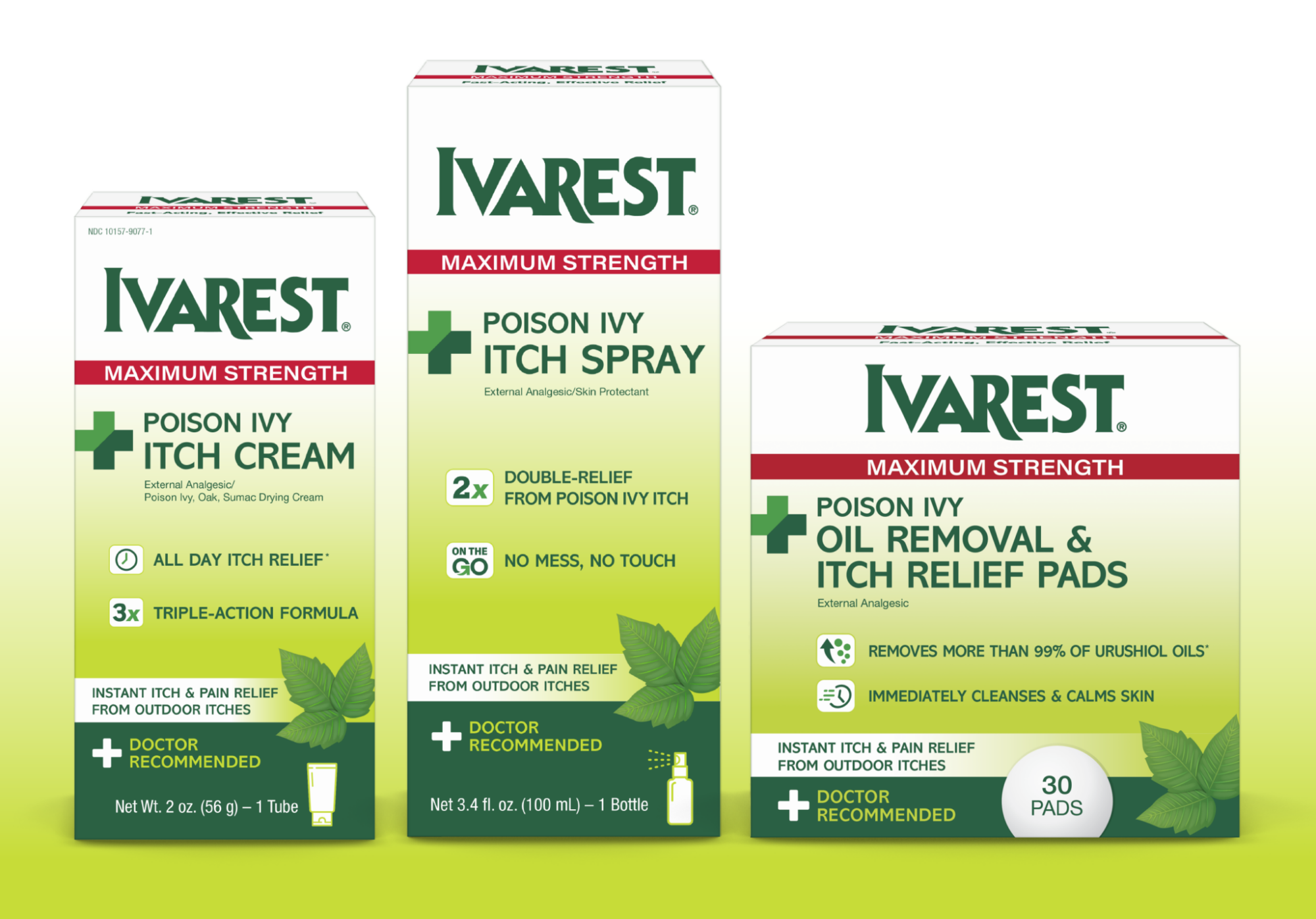
Ivarest Poison Ivy Itch Cream is the only product on the table with all three jobs covered, because it’s the only option built from three active ingredients instead of one: calamine 14% (almost 2 times the calamine in actual calamine products) dries and protects, benzyl alcohol 10.5% numbs the itch on contact, and diphenhydramine 2% calms the allergic reaction at the rash site.
Each active ingredient picks up where a single-ingredient option runs out of road. The calamine is the same proven astringent as the classic pink bottle, at maximum strength. The benzyl alcohol does what no home remedy on this list can: it numbs the itch signal immediately, on contact. And the diphenhydramine delivers the antihistamine directly to the rash instead of routing through your bloodstream first. One application works for up to 8 hours, stays where you put it, and is suitable for adults and children 2 and up, applied 3 to 4 times daily.
This is the real difference between a remedy and a treatment. An oatmeal bath asks one ingredient to do one job. Ivarest’s maximum-strength formula handles all three that a poison ivy or poison oak rash actually demands, in a single application.
For rashes in hard-to-reach places, Ivarest Poison Ivy Itch Spray delivers relief touch-free, and Ivarest Itch Relief Pads combine cleansing and treatment in one step.
If you’re comparing options for the best poison ivy treatment over the counter, start with our best poison ivy rash cream breakdown.
How to Get Rid of a Poison Ivy Rash Fast
There’s no shortcut around the biology: once urushiol has triggered the allergic reaction, your immune system needs time to work through it, typically one to three weeks. But “fast” doesn’t have to mean the timeline changes. It can mean the rash stops running your day.
The fastest path looks like this: wash any remaining urushiol off your skin within 30 minutes of contact, keep the rash cool and dry rather than covered and warm, and reach for a treatment that dries blisters and blocks itch in the same application instead of rotating between three or four single-ingredient remedies and hoping one of them sticks.
When Should You See a Doctor?
See a healthcare provider if the rash is on your face, lips, eyes, or genitals; covers more than a quarter of your body; shows signs of infection such as yellow pus, red streaks, or growing tenderness; or arrives with difficulty breathing or swallowing. That last symptom means the emergency room, not a wait-and-see approach. Swelling severe enough to force an eye shut also needs same-day care.
For severe cases, doctors typically prescribe oral corticosteroids such as prednisone to bring the immune overreaction down body-wide, plus antibiotics if the blisters have become infected. Short of that, most rashes resolve in one to three weeks with proper care.
For the day-by-day healing timeline, see [how long does poison ivy last]. And if you’re wondering whether scratching spreads the rash to new patches of skin, we cover that in is poison ivy contagious.
You can’t shorten the rash’s underlying timeline, but you can shorten how long it bothers you. Wash urushiol off within 30 minutes of contact, keep the rash cool and dry, and use a treatment that dries blisters and blocks itch simultaneously rather than rotating single-ingredient remedies
Astringents dry weeping blisters fastest. Calamine is the most proven; Ivarest pairs maximum-strength calamine (14%) with itch-numbing and antihistamine actives so drying and relief happen in the same application.
Look for a formula that combines an astringent, an itch-numbing ingredient, and an antihistamine in one application. Ivarest Poison Ivy Itch Cream combines all three (calamine, benzyl alcohol, and diphenhydramine), which is why it covers the three jobs a poison ivy rash actually requires instead of just one.
Colloidal oatmeal soothes surface irritation and can reduce overall itchiness, especially for rashes covering a large area. It works well as a supplement to a targeted treatment, not as a replacement for one that dries blisters directly.
Hydrocortisone reduces inflammation and redness, which helps, but it does nothing for the itch or the weeping blisters. That’s why it works best paired with an antihistamine and a drying agent rather than used alone
Taken orally, Benadryl’s main benefit is drowsiness that helps you sleep through a bad night, since poison ivy itch isn’t primarily histamine-driven. Applied topically, diphenhydramine numbs itch on contact and works directly at the rash site, which is why Ivarest uses it topically rather than relying on the oral form.
Poison ivy typically shows up as red, streaky or patchy welts, often in a line where the plant brushed the skin, developing 12 to 48 hours after contact. Rashes from other causes tend to be more uniform or symmetrical and don’t follow that contact pattern.