What is a Poison Ivy Rash: How to Spot, Treat, and Prevent the Rash
What is a Poison Ivy Rash: How to Spot, Treat, and Prevent the Rash
Poison ivy is one of nature’s most unwelcome surprises, especially for anyone who enjoys the outdoors. Whether you’re hiking through the woods, gardening in your backyard, or simply enjoying time in nature, coming into contact with this plant can lead to an irritating and uncomfortable rash. But what exactly is a poison ivy rash, and why does it happen?
A poison plant rash occurs when your skin reacts to urushiol, the oily resin found in poison ivy, poison oak, and poison sumac plants. This allergic reaction can cause redness, swelling, intense itching, and even blistering.
If you’ve ever looked at a growing redness on your arm and thought, is this poison ivy, you’re not alone. Understanding the stages of a poison ivy rash and learning how to treat it can help you recover faster and avoid complications.
In this guide, we’ll answer all your questions about poison ivy rashes—from how quickly they appear to how long they last. We’ll also explore common concerns like why your rash might be spreading, whether it’s contagious, and even if your pets can get it. Whether you’re looking for prevention tips or wondering how to get rid of a poison ivy rash, this comprehensive resource has you covered.
What Does a Poison Ivy Rash Look Like?
If you’ve ever brushed up against poison ivy, you know how quickly an innocent outdoor adventure can turn into an itchy nightmare. A poison ivy rash is your body’s allergic reaction to urushiol, the oily resin found in poison ivy, and its poison plant cousins. But what exactly does it look like, and how can you tell if that mysterious itch is from poison ivy or something else?
The Appearance of a Poison Ivy Rash
A poison ivy rash typically begins as red, itchy patches on the skin. These patches can develop into raised bumps or blisters that may ooze or crust over. The rash often appears in streaks or lines, reflecting the way the plant brushed against your skin.
Common symptoms include:
- Redness and swelling: The affected area may look inflamed and feel tender to the touch.
- Intense itching: The hallmark of a poison ivy rash is relentless itching that can make it hard to focus on anything else.
- Blisters: Small fluid-filled blisters may form, which can break open and ooze before crusting over.
- Streaky patterns: The rash often follows a linear pattern where the plant made contact with your skin.

When Does the Rash Appear?
Symptoms usually appear 12 to 48 hours after exposure but can take longer if it’s your first time reacting to urushiol. The severity of the rash depends on how much urushiol touched your skin and how sensitive you are to it.
How Long Does Poison Ivy Rash Last?
A poison ivy rash can last anywhere from 1 to 3 weeks, with symptoms peaking around days 4 to 7. If untreated, it might linger longer or worsen due to scratching or infection.
Factors like scratching or secondary infections can prolong recovery time. If symptoms persist beyond three weeks, consult a healthcare provider.
What Can Be Mistaken for a Poison Ivy Rash?
It’s easy to confuse a poison ivy rash with other skin conditions like hives, eczema, or insect bites. Unlike hives, which appear suddenly and fade quickly, a poison ivy rash develops gradually and lasts longer. Similarly, while bug bites are often isolated bumps, poison ivy rashes tend to form streaky patterns.
Why Pictures Can Help
If you’re unsure whether your rash is from poison ivy, looking at pictures of poison ivy rashes can be helpful. Comparing your symptoms to images of typical rashes can give you a better idea of what you’re dealing with—but when in doubt, consult a healthcare provider.
By recognizing the telltale signs of a poison ivy rash early on, you can take steps to treat it effectively and avoid spreading urushiol to other parts of your body or household surfaces. In the next section, we’ll dive into the stages of a poison ivy rash and how it progresses over time.
Poison Ivy Rash Stages
A poison ivy rash doesn’t appear all at once—it progresses through several distinct stages, each with its own symptoms and challenges. Understanding these stages can help you better manage the rash and know what to expect during the healing process. From the moment your skin comes into contact with urushiol, the oily resin found in poison ivy, poison oak, or poison sumac, your body begins a reaction that unfolds over days or even weeks. Let’s break down the stages of a poison ivy rash and what happens at each step.
Stage 1: Initial Contact (No Symptoms Yet)
The journey begins when your skin comes into contact with urushiol, the toxic oil responsible for triggering an allergic reaction. At this stage, you won’t notice any symptoms yet because the oil is just starting to bind to your skin. However, this is a critical window for prevention.
If you wash the affected area with soap and water within 15 minutes of exposure, you can significantly reduce your chances of developing a rash. Specialized cleansers and poison ivy oil removal pads like Ivarest Poison Ivy Oil Removal & Itch Relief Pads designed to remove urushiol are even more effective. Remember to clean under your nails and wash any clothing or tools that may have come into contact with the plant, as urushiol can linger on surfaces for months.
Stage 2: Early Symptoms (12-48 Hours After Exposure)
The first signs of a rash typically appear within 12 to 48 hours after exposure, though it may take longer if it’s your first time reacting to urushiol. During this stage, you’ll notice redness and mild swelling in the affected area, itching that starts as mild but quickly intensifies, and faint streaks or patches where the plant brushed against your skin.
This is when most people realize they’ve encountered poison ivy. The itching can be bothersome, but avoid scratching—it can worsen irritation and increase the risk of infection.

Stage 3: Rash Development (1-7 Days After Exposure)
As the allergic reaction progresses, the rash becomes more pronounced. This stage is characterized by severe itching that can feel relentless and hard to ignore, red streaks or patches evolving into raised bumps or fluid-filled blisters, and blisters that may ooze or leak a clear fluid before crusting over.
This is often the most uncomfortable phase of a poison ivy rash. The affected area may feel hot or tender due to inflammation. Many people seek relief during this stage by using over-the-counter remedies like calamine lotion, hydrocortisone cream, or antihistamines to reduce itching and swelling.
Stage 4: Peak Symptoms (4-7 Days After Rash Appears)
During this stage, the rash reaches its most severe point. It’s at this point blisters will start to ooze and crust over, you’ll feel a constant need to itch, and red areas will be hotter and more swollen than ever before.
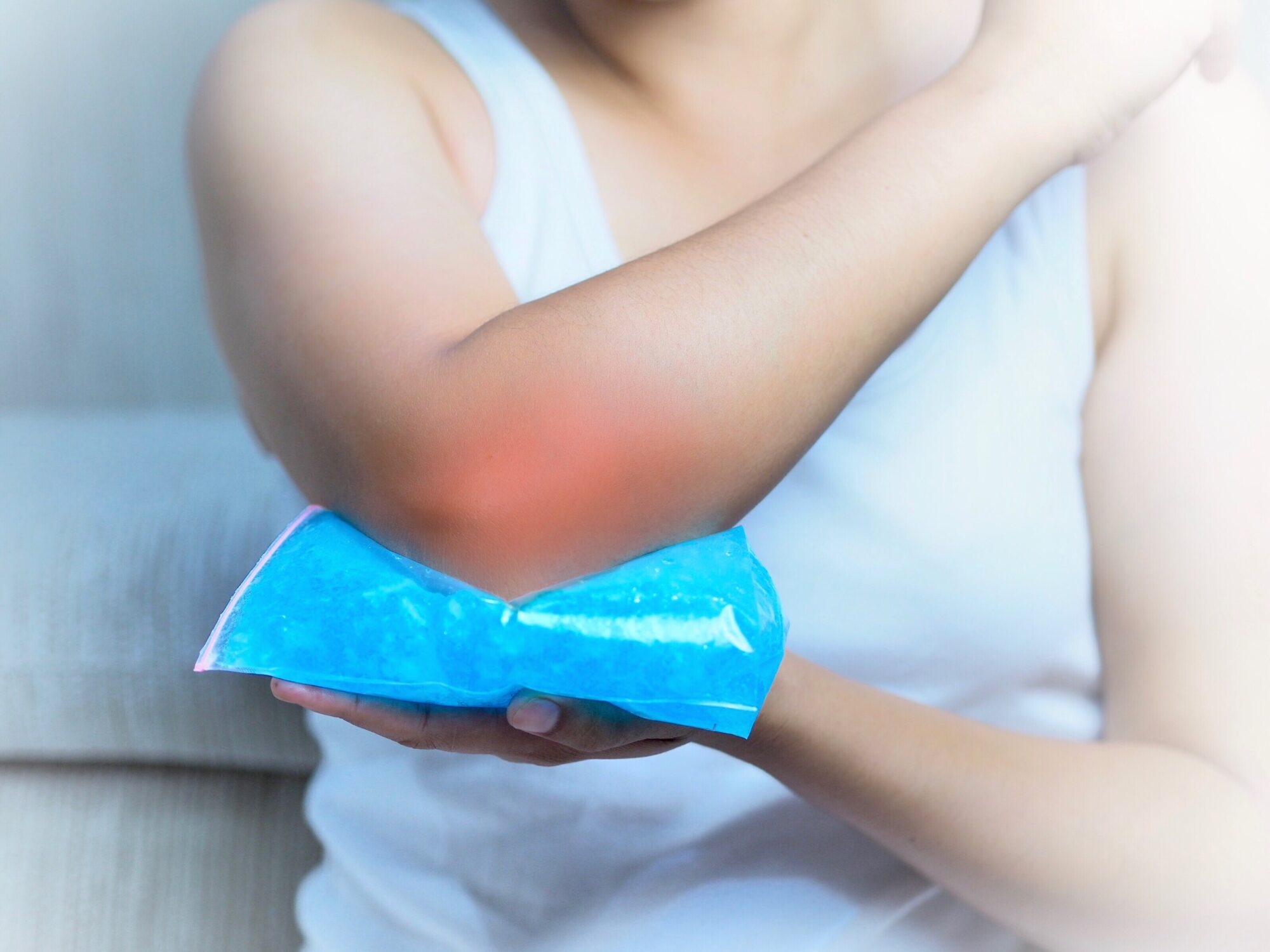
Scratching during this stage can lead to secondary infections, which may require medical attention. Keeping nails trimmed short and applying soothing treatments like cool compresses or oatmeal baths can help manage discomfort.
Stage 5: Healing and Recovery (1-3 Weeks After Exposure)
The final stage involves gradual healing as your body works to repair itself. It’s at this point that you’ll see your blisters dry up and form scabs, redness and swelling will start to fade, and itching will as the skin regenerates.
Most poison ivy rashes resolve within 1 to 3 weeks, though severe cases may take longer. If symptoms persist beyond three weeks or worsen—for example, if swelling spreads to sensitive areas like the face—consult a healthcare provider for further evaluation.

Enjoy the outdoors without the worry.
Experience fast relief from poison ivy itch and irritation with Ivarest
Why Understanding Stages Matters
Knowing the stages of a poison ivy rash isn’t just helpful for managing symptoms—it’s also key for preventing complications. Here’s how understanding each phase can make a difference:
- Prevention During Stage 1: Washing your skin immediately after exposure can stop urushiol from binding to it and prevent Stage 2 from occurring altogether.
- Early Treatment in Stage 2: Applying treatments like calamine lotion or hydrocortisone cream early on can reduce itching and inflammation before symptoms escalate.
- Managing Stage 3 Discomfort: Using cool compresses, oatmeal baths, or antihistamines during this phase can help soothe severe itching and prevent scratching.
- Avoiding Infection in Stage 4: Keeping blisters clean and avoiding scratching reduces the risk of secondary infections.
- Supporting Recovery in Stage 5: Staying patient during this phase ensures proper healing without rushing or aggravating sensitive skin.
By recognizing these stages early on, you’ll be better equipped to respond appropriately at each step, minimizing discomfort and speeding up recovery.
Poison Ivy Rash vs. Other Skin Conditions
Not all rashes are created equal, and poison ivy can sometimes be mistaken for other skin conditions such as hives, eczema, or bug bites. Knowing the differences can help you identify and treat the rash effectively.
How Poison Ivy Rash Differs
- Appearance: Poison ivy rashes often appear as red, itchy streaks or patches where the plant brushed against the skin. Blisters may form and ooze before crusting over.
- Timing: Symptoms typically develop 12 to 48 hours after exposure to urushiol, the oil in poison ivy.
- Pattern: The rash often follows a linear pattern, unlike hives or bug bites, which are more random.

Common Skin Conditions Mistaken for Poison Ivy
| Condition | Key Differences |
| Hives | Raised, itchy welts that appear suddenly and fade quickly without blistering. |
| Eczema | Chronic condition with dry, scaly patches that may itch but lack a streaky pattern. |
| Bug Bites | Isolated red bumps or welts, often clustered but not streaky or blistered. |
By understanding these distinctions, you can better determine whether your rash is caused by poison ivy or another irritant.
How Quickly Does Poison Ivy Rash Appear?
The timing of a poison ivy rash largely depends on your sensitivity to urushiol and the amount of exposure.
If this is your first exposure, symptoms may take several days to appear as your body gradually builds an allergic response. If you’ve had poison ivy before, symptoms can develop within hours of contact. Most people notice redness and itching within 12 to 48 hours after exposure. If you’re unsure whether your rash is from poison ivy, consider recent outdoor activities and potential contact with plants or contaminated items.

Is Poison Ivy Rash Contagious?
One of the most common misconceptions about poison ivy is that the rash itself is contagious. Lucky for your friends and family, it’s not.
The rash is nothing more than an allergic reaction to coming into contact with the plant’s urushiol oil. It may sometimes seem contagious because multiple people have it at the same time, thus giving the impression that it is spreading. Plus, the oil can stick around on clothes and skin and in this way make contact with more than one person even if they haven’t directly touched the plant themselves.
Understanding this can help ease concerns about spreading the rash to others.
Preventing Poison Ivy Rash
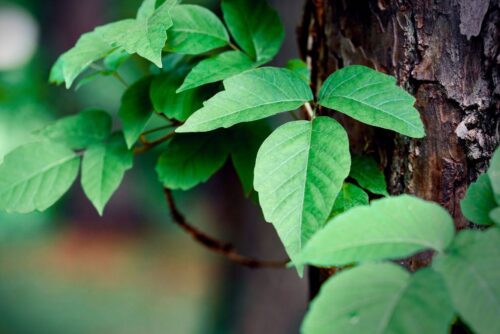
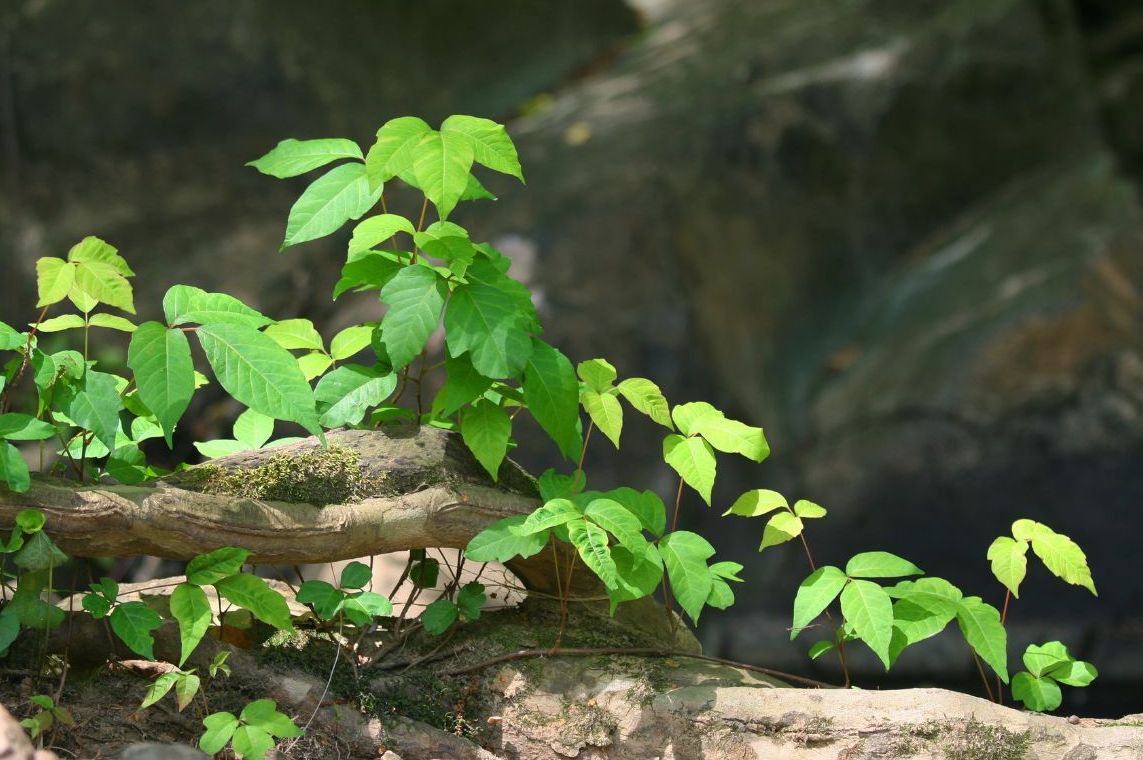
The best way to avoid the itch of poison ivy is to prevent it from touching your body. The best way to do this is by learning to identify what it looks like. Remember the age-old saying, leaves of three, let it be. But even the most discerning eye will sometimes accidentally brush up against poison ivy. That’s why you should always wear pants and even long sleeves when walking in areas with high numbers of poison ivy.
Barrier creams can also act as buffers, protecting you from urushiol oil. Lastly, be sure to wash all clothes that may have come into contact with poison ivy; urushiol oil can stay on clothes for months and even years after initial contact.
When it comes to poison ivy, the best plan of attack is defensive. However, if you do end up coming into contact with poison ivy, and feel like the itching will never end, use Ivarest itch creams, spray, or pads to give you much-needed relief.
Special Considerations
Poison Ivy Rash in Infants
Infants are particularly vulnerable due to their sensitive skin. If your baby develops a rash:
- Wash their skin gently with mild soap and water immediately after contact.
- Apply pediatric-safe treatments like calamine lotion (avoid face/genitals).
- Trim their nails short to prevent scratching and infection.
Consult a doctor if the rash spreads extensively or causes significant discomfort.

Can Dogs Get Poison Ivy Rash?
While dogs don’t usually develop rashes from poison ivy, they can carry urushiol oil on their fur, so be sure to:
- Bathe your dog with pet-safe shampoo if they’ve been exposed.
- Wear gloves while washing them to avoid transferring the oil onto yourself.
Keeping pets away from areas with poison ivy is the best prevention strategy.
Can I Swim with a Poison Ivy Rash?
Swimming with a poison ivy rash is generally safe as long as:
- The blisters are not open or oozing (to avoid infection).
- The water is clean (chlorinated pools are preferable).
However, avoid hot tubs or natural bodies of water where bacteria could worsen the rash.
Why Is My Poison Ivy Rash Spreading?
If it seems like your poison ivy rash is spreading, here’s what might be happening:
- Delayed reactions: Different areas of skin may react at different times based on urushiol exposure levels.
- Secondary exposure: Urushiol may still be present on clothing, tools, or surfaces you touched after initial contact.
To prevent further spread:
- Avoid touching contaminated items until cleaned properly.
- Wash everything thoroughly (clothes, tools, pets).
By addressing these factors, you can stop new rashes from forming while managing existing ones effectively.