Planning Your Next Hike: Tips for Safe and Enjoyable Adventures
Planning Your Next Hike: Tips for Safe and Enjoyable Adventures
Exploring the great outdoors can be one of the most rewarding experiences, but preparation is key to ensuring your hike is safe and enjoyable. Whether you’re a seasoned adventurer or new to hiking, this guide covers essentials like poison ivy prevention, hiking gear, and safety tips for the trail.
What to Know About Poison Ivy and How to Avoid It
The Oil Behind the Itch
Poison ivy produces urushiol, an oil that causes itchy, blistering rashes. Recognizing and avoiding it is vital for hikers, as preventing exposure to poison ivy can save you from discomfort later.
How to Identify Poison Ivy
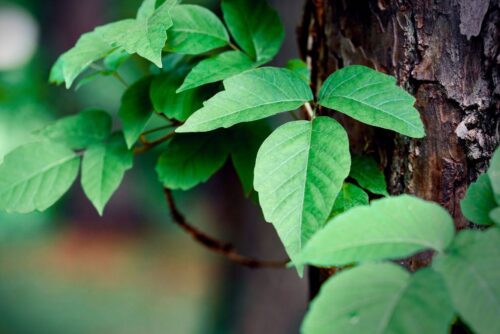
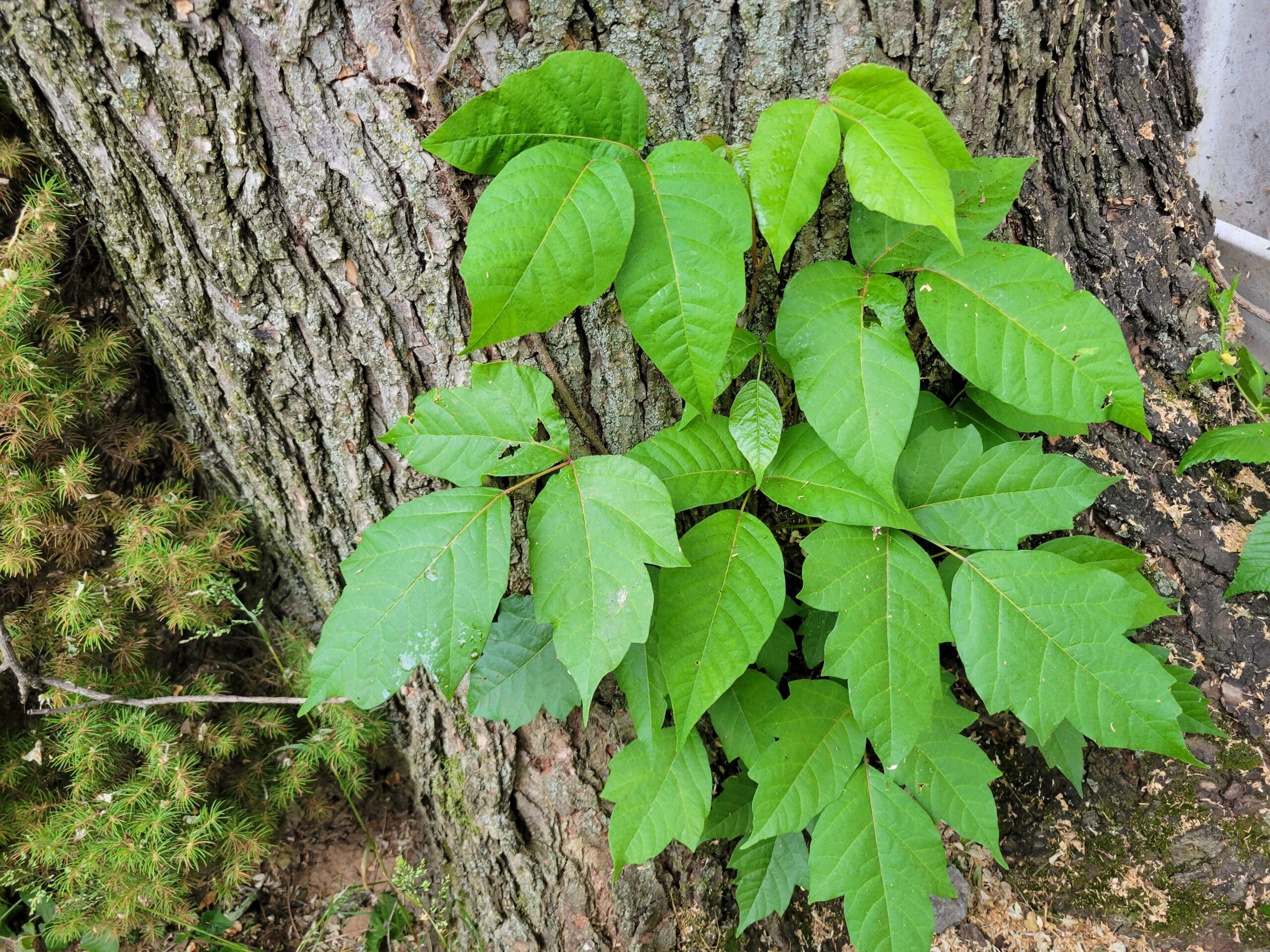
Recall the sage advice your parents told you growing up, “leaves of three, let them be.” Poison ivy has three leaf clusters, which turn green in summer and red in fall. It can grow as a vine, shrub, or ground cover. Poison ivy’s adaptability allows it to thrive in diverse environments, allowing it to live and excrete urushiol oil year-round. No matter if it’s the dead of winter or dog days of summer, poison ivy is always lurking about, ready to give you an unwanted itch.
Prevention Tips
- Protective Clothing: Long sleeves and pants block exposure, an essential step in poison ivy prevention. For added protection tuck pants into socks and wear gloves when navigating heavily wooded areas. Knowing what clothes to wear hiking can make all the difference in staying safe.
- Barrier Creams: Apply bentoquatam to the skin before hiking to create a protective layer that blocks urushiol.
- Stick to Trails: Avoid venturing into dense vegetation where poison ivy commonly grows. Staying on well-maintained paths is one of the simplest ways to reduce risk.
- Clean Up: Wash clothes, tools, and gear immediately after your hike to remove any lingering urushiol. Also, bathe pets to ensure they don’t carry the oil into your home.
Essential Hiking Checklist
Must-Have Items
- Clothing: Moisture-wicking layers and sturdy boots are key when considering how to prepare for a hike. Proper footwear provides comfort and support, especially on challenging terrains, and wearing good hiking clothes ensures comfort and safety.
- Navigation Tools: Map, compass, or GPS devices help ensure you stay on track, especially in unfamiliar areas.
- First Aid Kit: Include treatments for poison ivy, bandages, antiseptics, and pain relievers. A well-stocked first aid kit is invaluable in case of minor injuries.
- Water and Snacks: Staying hydrated is non-negotiable. Pack enough water for the duration of your hike and include high-energy snacks like trail mix or granola bars.
- Sun Protection: Sunscreen, a wide-brimmed hat, and sunglasses protect against harmful UV rays, even on overcast days.
- Emergency Items: Whistle, flashlight, and multi-tool are essential for unexpected situations, from signaling for help to repairing broken gear.
Optional Extras
- Trekking Poles: For balance and reduced strain on joints during uphill climbs or long treks.
- Bug Repellent: Poison Ivy is not the only danger on the trail. Protect yourself from insects that may carry diseases or cause irritation.
- Portable Charger: Keep your devices powered, especially if you rely on your phone for navigation or emergency communication.
Safety Tips for a Successful Hike
Plan Your Route
Research trails ahead of time, including their difficulty level, estimated duration, and any notable features or hazards. Familiarize yourself with the trail map and identify potential rest stops or water sources. Following a hiking equipment checklist ensures you’re prepared for the trail.
Check the Weather
Always check the forecast before heading out. Sudden weather changes can occur, so be prepared with rain gear or extra layers if needed.

Inform Someone
Let a trusted person know your hiking plans, including your intended route and expected return time. This precaution can be lifesaving in case of emergencies.
Stay Aware
Pay attention to your surroundings. Watch for trail markers to avoid getting lost, and keep an eye out for wildlife, poisonous plants, or other potential hazards like loose rocks or slippery paths.
Know Your Limits
Hiking can be physically demanding. Listen to your body, take breaks as needed, and turn back if you feel overly fatigued or notice worsening weather conditions.
First Aid Tips for Common Hiking Issues
Poison Ivy Rash
If you suspect contact with poison ivy, wash the area immediately with soap and water, or an oil-removing pad like Ivarest Poison Ivy Oil Removal & Itch Relief Pads. Apply a poison ivy relief cream, such as Ivarest Poison Ivy Itch Cream, to reduce itching and inflammation. Avoid scratching to prevent further irritation or infection. Knowing how to avoid poison ivy while hiking can save you a lot of trouble.
Blisters
Cover blisters with moleskin or a blister bandage to protect them from friction. Keeping them clean and dry speeds up healing.
Sprains
Elevate the injured limb and apply a cold compress to reduce swelling. Use a bandage or brace for additional support. First aid for hiking is essential for addressing these common issues.
Enjoy the outdoors without the worry.
Experience fast relief from poison ivy itch and irritation with Ivarest

Hiking with Pets: Extra Considerations
Bringing your dog on a hike can enhance the experience, but it comes with added responsibilities:
- Leash Rules: Follow trail regulations regarding pets. Keeping your dog leashed protects them from wildlife and keeps other hikers comfortable. Be mindful that walking your dog off-leash in certain areas may also result in a fine. If you’re considering off-leash hiking with dogs, ensure they’re well-trained and allowed on the trail.
- Pet First Aid: Carry pet-specific supplies, including tweezers for tick removal and a collapsible water bowl for hydration.
- Avoid Poison Ivy: Pets can transfer urushiol to your skin. After the hike, wipe down their fur or bathe them to remove any potential irritants.
How to Prepare for a Hike: Final Tips
Preparation goes beyond packing. It involves mental and physical readiness for the hike to come. Gradually increase your activity level leading up to more challenging hikes, ensuring your body is ready for the effort. Additionally, familiarize yourself with basic navigation and first aid skills to boost confidence.
It’s Time to Hike!
Hiking is an enriching experience that allows you to connect with nature while staying active. By focusing on poison ivy prevention, checking off your comprehensive hiking checklist, and following safety tips, you’ll ensure a memorable adventure. Whether it’s a leisurely stroll or a challenging trek, proper preparation empowers you to enjoy the journey with peace of mind.
So lace up your boots, grab your gear, and step into the great outdoors with confidence!