Poison Ivy 101: Your Most Common Questions Answered
Poison Ivy 101:
Your Most Common Questions Answered
To anyone who has ever taken a leisurely stroll through the woods, poison ivy is public enemy number one.
Coming into contact with poison ivy can ruin an entire day for you and the entire family. However, with proper knowledge, prevention, and treatment techniques, you can reduce the chances of exposure and find effective relief.
In this comprehensive guide, we’ll cover everything you need to know about poison ivy—from how it works and how to identify it to how to keep yourself safe and treat its rash should you come into contact with it.
What Is Poison Ivy?
Poison ivy is a plant native to North America and a member of the cashew family. It produces a shiny oil called urushiol, which triggers an allergic reaction in about 85% of people who come into contact with it. Understanding this plant is essential for avoiding its unpleasant effects, whether you’re hiking in the woods, tending to your lawn, or simply enjoying nature. In this comprehensive guide, we’ll explore facts about poison ivy.


Enjoy the outdoors without the worry.
Experience fast relief from poison ivy itch and irritation with Ivarest
Key Facts About Poison Ivy
- Scientific Name: Toxicodendron radicans.
- Family: Anacardiaceae (cashew family).
- Growth Forms: Poison ivy can grow as a climbing vine, ground cover, or shrub.
- Leaves: The plant is famous for its “leaves of three,” with each compound leaf consisting of three leaflets.
- Seasonal Changes: In spring, leaves are reddish; in summer, they turn green; and in autumn, they display vibrant yellow, orange, or red hues.
- Toxic Oil: Poison ivy contains urushiol oil in its leaves, stems, roots, and berries.
A Versatile and Adaptable Plant
Poison ivy is a deciduous woody plant that can grow in various forms depending on its environment:
- Climbing Vine: Poison ivy often climbs trees, fences, or walls using hairy aerial roots that cling to surfaces. Mature vines can become thick and woody, resembling tree branches.
- Ground Cover: In open areas like fields or lawns, poison ivy spreads along the ground with trailing stems.
- Shrub Form: In some cases, poison ivy grows as a low shrub, particularly in areas with limited vertical support.
This adaptability allows poison ivy to thrive in diverse habitats such as woodlands, wetlands, fields, and even urban landscapes. It grows in both sunny and shady areas and tolerates a wide range of soil types—from dry, rocky soils to moist and fertile ones.

Does Poison Ivy Have Any Benefits?
While poison ivy is a nuisance to humans, it provides significant benefits to wildlife:
- Food Source: Birds such as woodpeckers, robins, and cedar waxwings eat poison ivy berries during fall and winter when other food sources are scarce48. Mammals like deer and raccoons also browse on the leaves and stems.
- Shelter: Small animals like mice and toads use poison ivy vines for cover or as pathways to climb trees.
- Pollination: The plant’s flowers attract bees, butterflies, and other pollinators that feed on its nectar.
Poison Ivy Prevention
Avoiding poison ivy is the best way to prevent its rash. Here’s how:
1. Learn to Recognize It
Familiarize yourself with poison ivy’s appearance in all seasons. Use resources like photos and guides to identify it accurately.
Key Features of Poison Ivy
- Leaves of Three: Poison ivy is most easily recognized by its compound leaves, which consist of three leaflets. The middle leaflet has a longer stalk than the two side leaflets. Leaf edges can be smooth, toothed, or lobed.
- Seasonal Changes: In spring, the leaves emerge reddish-green and glossy. During summer, they turn green and may appear shiny or matte. In autumn, the leaves display vibrant hues of yellow, orange, or red before falling off.
- Flowers and Berries: Poison ivy produces small yellow-green flowers in late spring and early summer. By fall, these flowers develop into white or pale green berries that persist through winter.
2. Wear Protective Clothing
When hiking or gardening:
- Wear long sleeves, pants, gloves, and closed-toe shoes.
- Tuck pants into socks to minimize skin exposure.

3. Use Barrier Creams
Apply a poison ivy barrier cream (e.g., those containing bentoquatam) before outdoor activities to block urushiol from penetrating your skin.
4. Avoid Contaminated Surfaces
Urushiol can linger on clothing, tools, and pet fur for months if not cleaned properly:
- Wash clothes in hot water with detergent.
- Wipe down tools with rubbing alcohol.
- Bathe pets that may have come into contact with poison ivy.
5. Don’t Burn Poison Ivy
Burning poison ivy releases urushiol into the air, which can cause severe respiratory irritation if inhaled.
Poison Ivy Doppelgangers
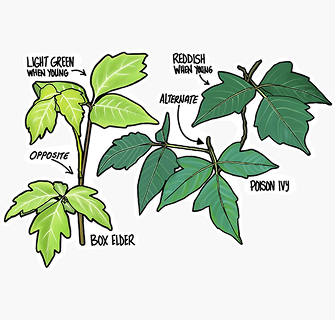
Box Elder (Acer negundo)
Box elder, a type of maple tree, is one of the most common plants mistaken for poison ivy, especially in its sapling stage.
Key Differences:
- Leaf Arrangement: Box elder leaves and branches grow in an opposite arrangement on the stem, while poison ivy leaves alternate along the stem.
- Number of Leaflets: Young box elder plants may have three leaflets like poison ivy, but mature leaves typically have 5–7 leaflets.
- Stem Color: Box elder stems are often waxy blue-white or greenish, whereas poison ivy stems are reddish or brown and may have hairy aerial rootlets.
- Growth Habit: Box elder grows into a tree or large shrub, while poison ivy is a vine or low-growing shrub.

Pro Tip:
Look at the overall growth form—box elder is free-standing and tree-like, while poison ivy climbs or spreads along the ground.
Maple leaves
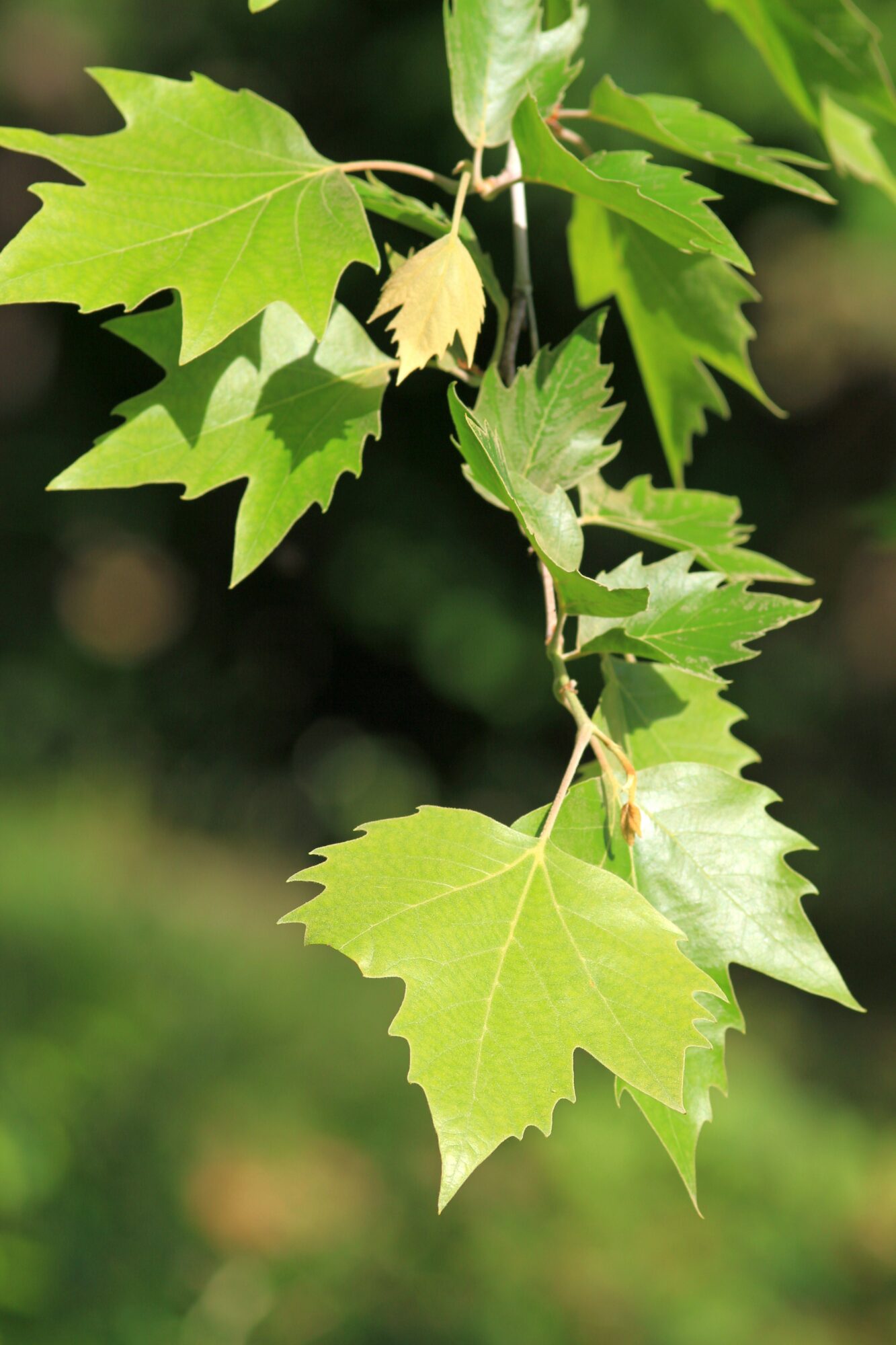
Maple leaves, especially from species like red maple (Acer rubrum) or sugar maple (Acer saccharum), are sometimes confused with poison ivy due to their similar habitats and seasonal color changes. However, maple trees are distinct in their structure and leaf characteristics.
Key Differences:
- Leaf Structure: Maple leaves are simple and have multiple lobes (usually 3–7). Poison ivy has compound leaves with three separate leaflets, with the middle leaflet having a longer stalk.
- Leaf Arrangement: Pairs of Maple leaves grow directly across from each other. Poison ivy leaves grow in an alternate arrangement, with one leaf growing at a time along the stem.
- Growth Habit: Maples are large trees or shrubs that can reach significant heights and have a sturdy trunk. Poison ivy grows as a vine, ground cover, or small shrub but never as a tree.
- Seasonal Changes: Both plants have vibrant fall colors, but maple leaves are more uniform in shape and coloration (red, orange, or yellow). Poison ivy’s colors may vary on the same plant.
Pro Tip:
Count the lobes! Maple leaves typically have 3–7 lobes per leaf, while poison ivy consistently has three.
Poison Ivy Rash: Symptoms and Treatment
No matter how good you become at identifying poison ivy, if you spend a lot of time outdoors, chances are high that you’ll come into contact with it. If you’re part of the 85% of humans allergic to it, here’s how your body will likely react and how you can treat the rash.
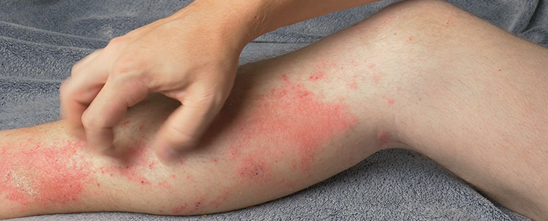
Symptoms of Poison Ivy Rash
- Redness and swelling.
- Intense itching.
- Streaky rash where the plant touched the skin.
- Fluid-filled blisters that may ooze.
Symptoms typically appear 12–48 hours after exposure and can last 1–3 weeks.
Step-by-Step Guide to Treating Poison Ivy Rash
Dealing with a poison ivy rash can be uncomfortable and frustrating, but following the right steps can help soothe your symptoms and speed up recovery. Here’s a simple, step-by-step guide to treating poison ivy rash effectively:
Step 1: Wash the Affected Area Immediately
- As soon as you suspect contact with poison ivy, wash your skin thoroughly with soap and lukewarm water.
- Use rubbing alcohol or specialized cleansers designed to remove urushiol oil for better results.
- Wash under fingernails as urushiol can linger there and spread to other parts of your body.
Pro Tip:
Washing within 15 minutes of exposure can significantly reduce the risk of developing a rash.
Step 2: Clean Contaminated Items
- Poison ivy’s urushiol oil can stick to clothing, tools, and even pet fur for months if not cleaned properly.
- Wash all exposed clothing in hot water with detergent.
- Wipe down tools and surfaces with rubbing alcohol or soapy water.
- Bathe pets that may have come into contact with poison ivy while wearing gloves to avoid exposure.
Step 3: Use a Poison Ivy Relief Cream
- Apply a specialized poison ivy relief cream, such as Ivarest Poison Ivy Itch Cream, which is formulated to soothe itching, dry oozing blisters, and reduce inflammation.
- Follow the product instructions for application frequency.
Step 4: Monitor for Severe Symptoms
- If the rash spreads extensively, involves sensitive areas like the face or genitals, or causes swelling that interferes with breathing, seek medical attention immediately.
- Severe cases may require prescription corticosteroids (oral or topical) from a healthcare provider.
Step 5: Avoid Further Exposure
- Stay away from poison ivy plants until the area is cleared.
- Learn how to identify poison ivy (“leaves of three, let them be”) to prevent future contact.
Bonus Tip:
Keep your fingernails trimmed short to avoid breaking the skin if you accidentally scratch.
Poison Ivy vs Bug Bites – How to Identify and Seek the Best Treatment
Poison ivy rashes and bug bites are often confused due to their similar symptoms, but they have distinct differences. A poison ivy rash is caused by contact with urushiol oil from the plant and typically appears 12–48 hours after exposure. It often manifests as red, streaky patches or clusters of blisters that itch intensely and may ooze.
In contrast, bug bites are caused by insect bites, most often from mosquitoes or fleas, and appear as small red bumps or welts that may itch immediately or within hours. Unlike poison ivy, bug bites do not spread unless multiple bites occur. Poison ivy rashes can last 1–3 weeks, while bug bites usually heal in a few days unless infected. Both conditions cause itching and discomfort, but poison ivy is more likely to result in severe reactions requiring specific treatments like relief creams or corticosteroids for widespread rashes. Recognizing the pattern of the rash—streaks for poison ivy versus isolated bumps for bug bites—and considering recent outdoor activities can help identify the cause and guide appropriate treatment. Here’s how they differ:

| Feature | Poison Ivy Rash | Bug Bites |
| Cause | Contact with urushiol oil | Bites/stings from insects |
| Appearance | Streaky rash; may blister | Small red bumps or welts |
| Onset | 12–48 hours after exposure | Immediate or within hours |
| Spread | May spread if urushiol remains on skin | Does not spread unless multiple bites |
Why Choose a High-Quality Poison Ivy Relief Cream?
When dealing with the discomfort and irritation caused by poison ivy, choosing the right relief cream can make a significant difference in how quickly and effectively you recover. High-quality poison ivy creams are specifically designed to target the symptoms of poison ivy rashes, such as itching, redness, blisters, and inflammation. Here’s why investing in a premium poison ivy relief cream is essential:
1. Fast and Effective Symptom Relief
Poison ivy rashes are notoriously itchy and uncomfortable, often accompanied by redness, swelling, and fluid-filled blisters. High-quality relief creams like Ivarest Poison Ivy Itch Cream provide fast-acting relief by addressing multiple symptoms simultaneously:
- Calamine: A skin protectant that soothes irritation, dries oozing blisters, and reduces redness.
- Benzyl Alcohol: An external analgesic that numbs the affected area to relieve pain and itching.
- Diphenhydramine Hydrochloride: An antihistamine that reduces itching caused by allergic reactions.
These active ingredients work together to calm the skin and provide relief for up to 8 hours, allowing you to focus on your day or get a good night’s sleep without constant discomfort.

2. Multi-Symptom Treatment
Unlike general-purpose creams, high-quality poison ivy relief creams are formulated specifically for poison plant reactions. Our anti-itch cream is designed to stop the spread of the allergic reaction and relieve pain. This quick relief discourages itching and, as a consequence, mitigates the spread of the reaction and aids in the healing process. High-quality poison ivy relief creams address not just itching but also other symptoms like:
- Drying out oozing or weeping blisters.
- Reducing inflammation and swelling.
- Protecting the skin from further irritation.
This comprehensive approach ensures that all aspects of the rash are treated effectively, speeding up recovery.
Enjoy the outdoors without the worry.
Experience fast relief from poison ivy itch and irritation with Ivarest
3. Gentle on Skin
Premium poison ivy creams are designed to be gentle on sensitive skin while still providing powerful relief. Many contain additional soothing ingredients like menthol or lanolin oil to hydrate and cool irritated areas without causing further harm. This makes them suitable for use on children (2 years and older) as well as adults.
4. Trusted Ingredients Backed by Science
High-quality poison ivy creams use clinically proven ingredients that dermatologists recommend for treating poison ivy rashes. For example:
- Calamine has been used for decades as a trusted remedy for soothing irritated skin.
- Benzyl alcohol effectively numbs pain and itching without causing drowsiness like oral antihistamines.
- Diphenhydramine hydrochloride targets allergic reactions at their source.
These ingredients are carefully balanced to ensure maximum efficacy without unnecessary additives or harsh chemicals.
Conclusion
Understanding poison ivy—how to identify it, avoid it, and treat its effects—is essential for anyone spending time outdoors. By following prevention tips like wearing protective clothing and using barrier creams, you can minimize your risk of exposure. If you do come into contact with poison ivy, quick action combined with effective treatments like high-quality relief creams will help you recover faster.
For reliable relief from poison ivy rashes, consider our specially formulated creams designed to soothe itching and reduce inflammation effectively—your best defense against nature’s irritant!