Safely Handling Poison Ivy in Your Garden
Safely Handling Poison Ivy in Your Garden
Poison ivy is a menace for homeowners, gardeners, and landscapers alike. It’s sneaky, resilient, and—if handled incorrectly—capable of leaving you with a painful, itchy rash that lingers for weeks. If you’ve spotted this unwelcome intruder on your lawn, don’t worry. This guide will walk you through how to get rid of poison ivy in your lawn, ensuring safe and effective poison ivy removal while offering practical lawn and garden advice for both hobbyists and professionals.
How to Identify Poison Ivy in Your Lawn
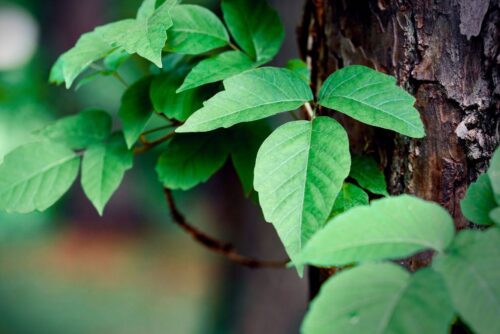
Before tackling poison ivy, make sure you can correctly identify it.
Key Features:
- Leaves of Three: The classic “leaves of three, let it be” rule applies. Each leaf cluster consists of three leaflets.
- Seasonal Changes: In spring, poison ivy leaves appear reddish; in summer, they turn green; and in fall, they shift to shades of yellow, orange, or red.
- Growth Habit: Poison ivy grows as a creeping vine, a shrub, or a ground cover, often blending in with other plants.
- Berries and Flowers: Small yellow-green flowers bloom in late spring and develop into pale green or white berries by fall.
- Root System: Poison ivy has an extensive underground root system, allowing it to regrow even after cutting.
- Vine Characteristics: Poison ivy vines can have “hairy” rootlets that cling to surfaces, which is a key differentiator from other vines.
Common Look-Alikes
Poison ivy has many doppelgangers. Luckily, these look-alikes don’t pack that same itchy punch as poison ivy.
- Virginia Creeper: Has five leaflets instead of three.
- Boxelder Saplings: Often grow in three leaflets that sprout in pairs directly across from each other on the stem, while poison ivy’s leaflets grow in a staggered, alternating pattern along the stem.
- Raspberry Plants: Feature thorny stems, unlike the smooth poison ivy vines.
- Hog Peanut: May have three leaflets but is not toxic like poison ivy.
- Fragrant Sumac: Has three leaflets, but the edges are serrated and do not cause rashes.
Poison Ivy Removal Methods: Choose the Best Approach
Poison ivy removal isn’t a one-size-fits-all task. Depending on the size of the infestation and your level of comfort, you can choose from several removal methods.
1. Manual Removal (Best for Small Patches)
If the infestation is manageable, manual removal is an effective method—but it requires careful handling.
What You’ll Need:
- Heavy-duty, waterproof, gardening gloves.
- Long sleeves and pants.
- Safety goggles.
- A shovel or garden trowel.
- Heavy-duty plastic bags.
- Duct tape to seal clothing seams.

How to Remove It:
- Put on protective clothing and duct-tape the seams between your gloves and sleeves to prevent urushiol oil from reaching your skin.
- Use garden shears or pruners to cut vines at the base.
- Dig up the entire root system, ensuring no fragments remain (poison ivy can regrow from even small pieces).
- Bag everything in thick plastic bags and dispose of it in the trash—never compost poison ivy.
- Wash your hands and tools thoroughly after handling poison ivy.

Pro Tip:
If you’re wondering, “Can poison ivy go through gloves?”—it depends. Thin or fabric gloves may not be enough, so always opt for thick, waterproof ones.
2. Herbicide Application (Best for Large Infestations)
For widespread poison ivy growth, herbicides can help eliminate it efficiently.
Recommended Herbicides:
- Glyphosate: Kills poison ivy at the root level but affects all plants it touches.
- Triclopyr: Targets woody plants like poison ivy without harming grasses.
- 2,4-D: A selective weed and poison ivy killer that minimizes damage to your lawn.
How to Apply It:
- Choose a dry, wind-free day to avoid chemical drift.
- Spray the herbicide directly onto the leaves and stems, avoiding desirable plants.
- Wait a few days and repeat applications as needed.
- Keep pets and children away from the treated area until it’s safe.
Common Question:
Does weed killer kill poison ivy? Yes, but not all herbicides work effectively. Look for products specifically labeled for poison ivy removal.
3. Boiling Water Method (Best for Spot Treatment)
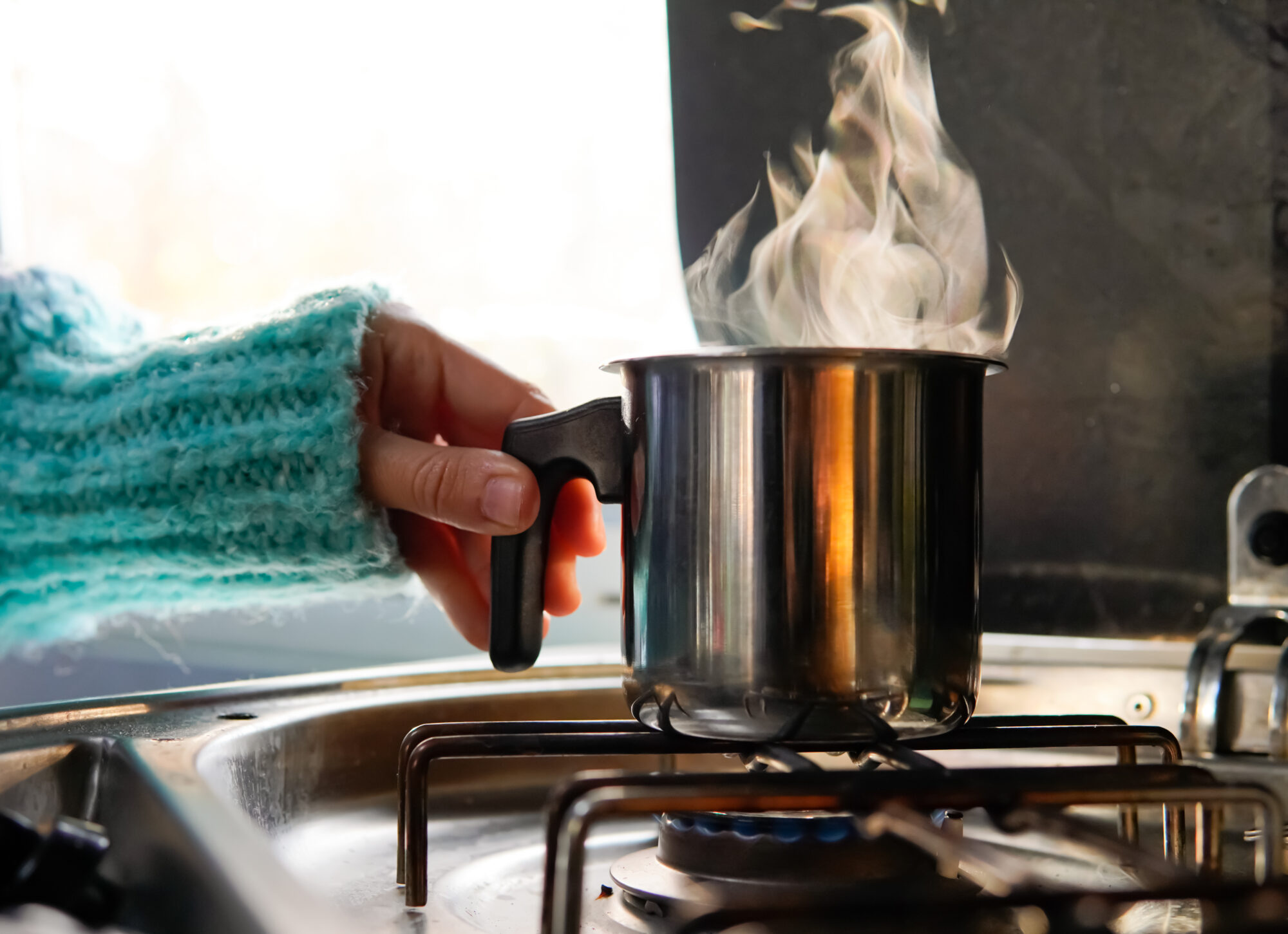
For a non-toxic approach, boiling water can scald poison ivy plants, killing them over time.
How to Use It:
- Boil a large pot of water.
- Carefully pour the boiling water over the poison ivy, ensuring the roots are saturated.
- Repeat daily for best results.
- Check for regrowth and remove any new sprouts manually.
Note:
This method is best for isolated plants, as it may harm surrounding grass.
4. Smothering Poison Ivy (Best for Persistent Growth)
Blocking sunlight can starve poison ivy of the resources it needs to grow.
How to Smother It:
- Cover the affected area with thick plastic sheeting, cardboard, or heavy mulch.
- Secure the edges with bricks or stakes.
- Leave it covered for several months, checking periodically for regrowth.
- Monitor the area for new sprouts and remove them promptly.
What to Do If You Develop a Rash
Despite all precautions, contact with poison ivy can still happen. If you develop a rash, take the following steps:
- Wash the Area Immediately:
Use soap and cool water to remove urushiol oil. Ivarest Poison Ivy Oil Removal & Itch Relief Pads or a degreasing soap work best. - Apply a Rash Treatment:
Using a poison ivy relief cream and/or spray like Ivarest can help relieve itching and inflammation. - Take Antihistamines:
Over-the-counter antihistamines can reduce allergic reactions. - Use a Cold Compress:
Apply a cold compress to reduce swelling and soothe itching. - Avoid Scratching:
Scratching can lead to infections and prolong healing. - Seek Medical Help:
If the rash spreads to sensitive areas like the face, mouth, or genitals, or if you experience difficulty breathing, seek immediate medical attention.
Enjoy the outdoors without the worry.
Experience fast relief from poison ivy itch and irritation with Ivarest

Preventing Future Growth: Keep Poison Ivy Out
Once you’ve removed poison ivy, take proactive steps to keep it from returning.
Regular poison ivy lawn treatment, including mowing, will prevent seedlings from establishing a habit. You can organically integrate this practice into your lawn care by keeping the lawn well-maintained.
You can also plant clover and creeping thyme to fight off the proliferation of poison ivy. If you’re more of a grass fan, be sure to regularly water and fertilize your lawn to encourage thick and healthy grass.
If landscaping isn’t really for you, you can always call a professional.
If poison ivy covers a large area or grows in hard-to-reach places like tree trunks and fences, consider hiring a pro.
Final Thoughts
Dealing with poison ivy on your lawn may seem daunting, but with the right approach, you can eliminate and prevent it from coming back. By combining prevention, removal techniques, and effective treatment strategies, you can maintain a poison ivy-free yard year-round.
Frequently Asked Questions About Poison Ivy Treatment
How quickly can I kill poison ivy?
This depends on the method you use to kill it. Manual removal with hands may expose you to the plant’s oil, causing a nasty itch, but doing so will remove it immediately. Meanwhile, you can throw boiling water on poison ivy, however, you’ll need to do so a number of times before the ivy dies.
Can pets be affected by poison ivy?
While most pets don’t develop a rash, they can carry the oil on their fur, which can transfer to humans. It’s a good idea to wash your pet if they’ve been in an area with poison ivy.
How can I prevent poison ivy from growing in my yard?
Regularly inspect your garden, remove new growth early, and apply mulch or ground cover to suppress weed growth. You can also use a commercial herbicide if necessary.
Can I compost poison ivy?
No. Poison ivy should never be composted, as urushiol can remain active in compost and potentially cause skin irritation.