Camping Essentials & Safety Guide: Checklist for all Campers
Camping Safety & Essentials: the Ultimate Checklist
Heading out for a daytime, overnight, or even multi-day trek? It is important to know what to bring on your camping trip so you can stay comfortable and safe while enjoying the great outdoors. It can be a challenge to know what to pack, especially for beginner & first-time campers. Ivarest will break down all the camping supplies needed, a well-stocked first-aid kit, and basic camping knowledge. We’ll include pro-tips, which can mean the difference between a memorable trip and a miserable one.
Camping Preparation Tips: Planning Your Trip and What to Pack
One of the most common mistakes campers make is not leaving enough time to pack for their trip. Waiting to pack until the night before you depart may cause you to forget essential items such as water filters, first aid, and skin protection. Hastily packing can also lead to damage in essential items being overlooked, which can put campers in a tough situation out in the wilderness.
It is recommended to start packing for a camping trip 2-3 days before departure. Test all camping and hiking gear, such as camping stoves, tents, sleeping bags, outerwear, footwear, and more. Ensure that all your first aid items are stocked and have not expired.
Overpacking can also be a common mistake. Bringing too many non-essentials can weigh you down, leading your pack to feel more like a burden than an essential resource kit.
Instead of filling up your backpack with extra tools and gadgets, we recommend prioritizing multi-use tools and the camping essentials that you’ll need in your destination’s environment. For example, someone heading into wet woods should bring extra socks, dry sacks, and rash treatment. Alternatively, desert campers should bring extra sun protection and plenty of hydration sources.

Pro Tip:
Lay out all the gear needed for your trip a few days before departure. The best spot would be in a corner that’s out of the way but easily viewed. Double-check often-overlooked items such as water filters and the contents of your hiking first aid kit. Always remember to bring extra socks, soap, and toothpaste. Medicated wipes like Ivarest® Poison Ivy Oil Removal & Itch Relief Pads are great to have on hand for quick relief from poison ivy or bug bites when we’re on the move. Ointments like Ivarest® Poison Ivy Itch Cream can be especially useful if camping in an area with Poison Ivy, Oak, or Sumac. Ivarest® Poison Ivy Itch Cream can also be used on bug bites to soothe itching. These are essentials that are easily forgotten but can be the most missed when the unexpected happens.
Camping Checklist and Supplies: What to Bring and Why It Matters
If you’re wondering what things to bring camping, a detailed camping checklist can serve as a safeguard against common oversights. It is especially easy to forget essential meal ingredients and skin protection against poisonous plants.
A camping checklist can also ensure that your gear is well-suited for your specific trip, with both the climate and local biodiversity in mind. The reference table below includes essential camping supplies, personal care necessities, and first aid kit components to help you get the most from your camping trip.
Complete Camping Checklist and First Aid Kit Essentials
| Category | What to Bring Camping | Why It Matters |
| Shelter & Sleep | Tent, stakes, tarp, rainfly, sleeping pad, season-rated sleeping bag, pillow, and dry sack | Keeps campers dry, warm, and insulated from uneven terrain |
| Clothing Layers | Base layers, mid-layer, outer layer, rain jacket or poncho, hat, extra socks, camp sandals | Protection from temperature swings, rain, and blisters |
| Cooking & Food | Portable stove, fuel, cookpot, utensils, reusable containers, lighter, food-safe storage | Makes mealtime easier and more hygienic |
| Hydration | 2L of water per person per day, water filter or purification tablets, collapsible bottle | Reliable hydration in case of contaminated or limited water sources |
| Navigation & Tools | Map, compass, GPS app (offline), multitool, duct tape, repair kit | Assists in orientation and quick gear fixes |
| Lighting | Headlamp, lantern, head torch, extra batteries, matches | Vital for night safety, cooking, or urgent movement after dark |
| Hygiene & Waste | Toothbrush, biodegradable soap, toilet paper or tissues, wipes, trowel, hand sanitizer, sealable storage, and trash bags | Prevents contamination and supports Leave No Trace practices |
| First Aid Kit & Skin Care | Ivarest® Poison Ivy Oil Removal & Itch Relief Pads, Ivarest® Poison Ivy Itch Cream, sunscreen, bug spray, bandages, antihistamines, ibuprofen, and basic first aid kit supplies | Prevents and treats poison plant and other rashes, burns, bites, and skin irritation, and provides basic medical necessities |
| Emergency Extras | Tweezers, cold pack, compression wrap, gloves, emergency contact card, and tick removal tool and bear spray (in regions where wildlife encounters are a concern) | Helps in the event of minor injuries, stings, allergic responses, or in areas where animal safety precautions are recommended |
Pro Tip:
We recommend organizing gear by function rather than by item category. For example, grouping cooking equipment and storing first aid kit supplies in quick-access pouches can make meal prep and injury response more efficient when timing matters.

Enjoy the outdoors without the worry.
Experience fast relief from poison ivy itch and irritation with Ivarest
Seasonal Camping Essentials: What to Take Camping in Hot or Cold Weather
While having a camping checklist is essential for a successful trip, what we pack should reflect the location and duration of our time outdoors. Additionally, consider altitude, seasonal changes, and regional climates when choosing your items. A camper heading out in early spring or the height of summer will need very different gear from someone preparing for a fall or winter excursion. It’s also important to check the weather forecast regularly in the days leading up to our trip. A shift in predicted rainfall or temperature—even overnight—can change what’s necessary to stay safe and dry.
Use online tools to research temperature ranges for the season, rainfall patterns, and other environmental factors. This is necessary to ensure a safe and comfortable experience. Before heading out, check to see if Poison Ivy, or its cousins, are near you by checking our recent article The Itchiest Cities: Where Outdoor Irritants Are Hardest To Escape.
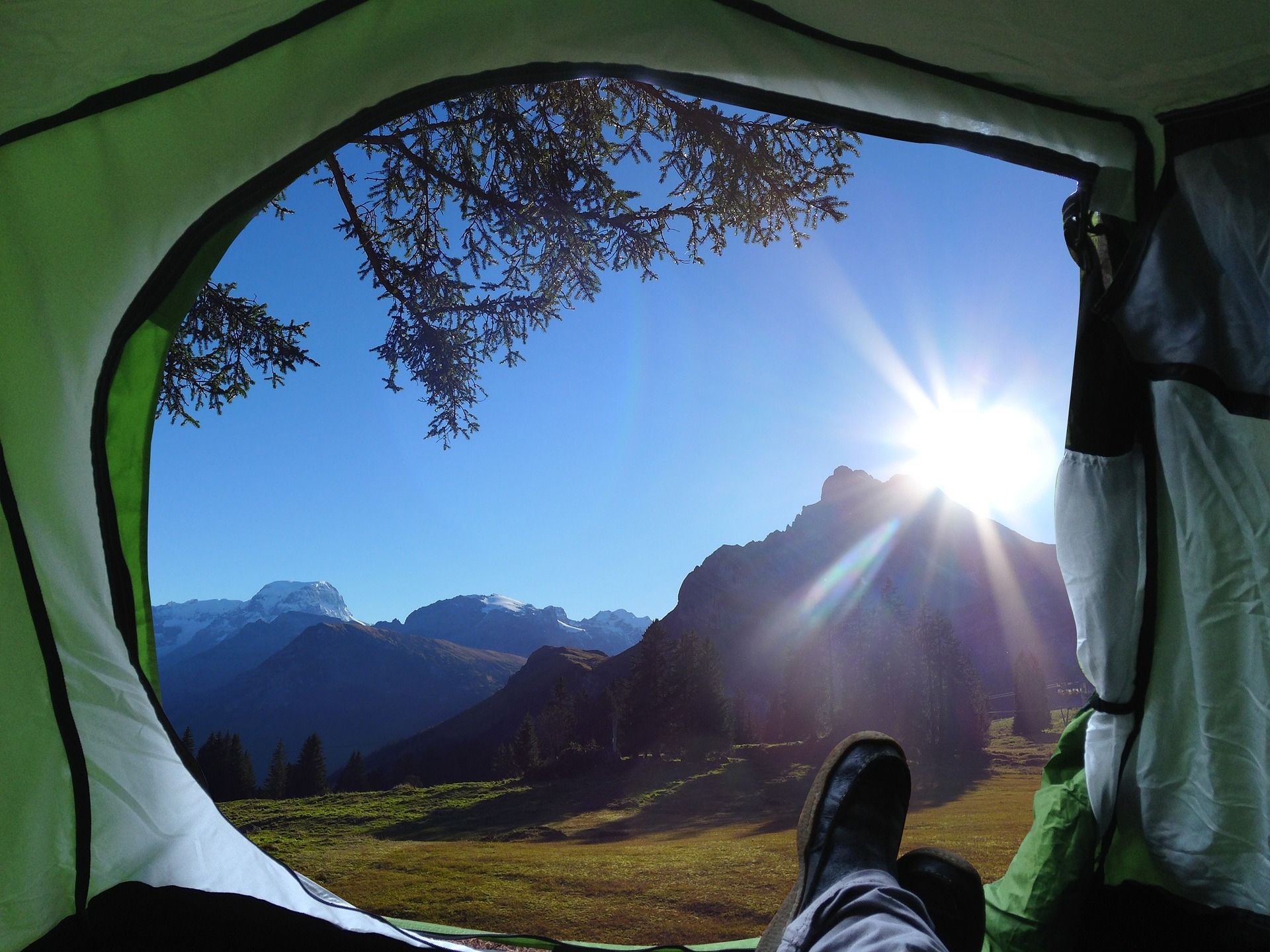
Warm Weather Camping Essentials
For trips that involve high temperatures and sun exposure, we recommend light gear in layers and added skin protection. Here are some items to include for warm-weather excursions:
- Lightweight, breathable clothing and sun-protective layers
- Wide-brimmed hat and neck protector
- Insect repellent (especially in wooded or humid areas)
- Electrolyte tablets or rehydration salts
- Biodegradable soap and extra wipes
- Ivarest® Poison Ivy Itch Cream for insect bites or mild rashes
- Ivarest® Poison Ivy Oil Removal & Itch Relief Pads for trail-side urushiol/poison plant oils removal
- Aloe vera or cooling gel for sunburn relief
Cold Weather Camping Essentials
For cold and wet conditions, we recommend gear that insulates, dries quickly, and holds up to harsh elements. For example, for cold or wet outings, consider:
- Thermal base layers and insulated outerwear
- Rain jacket, waterproof shell, or poncho with sealed seams
- Waterproof boots and wool socks (plus extra pairs)
- Sleeping bag rated for the coldest expected night
- Dry sacks for clothing and electronics
- Fire starters and waterproof matches
- Instant heat packs or hand warmers
- Lip balm and moisturizer to prevent cracked skin
- Ivarest® Poison Ivy Oil Removal & Itch Relief Pads, as even bare Poison Ivy stems in the winter can cause a rash.

Pro Tip:
No matter the season, we recommend testing all gear at home before heading out. For example, double-checking the stove, flashlight, and water filter in controlled conditions can help avoid unsafe surprises in the field.
Know Your Campsite: Why Location Matters
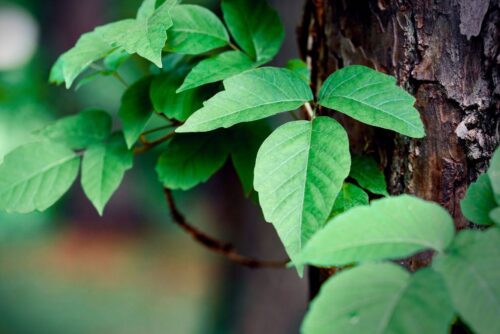
We recommend becoming familiar with your destination well before you take your trip to ensure safe camping. It is important to understand local factors such as wildlife encounters, fire restrictions, and the conditions of the terrain. It’s also good to know how to identify poisonous plants like Poison Ivy and local wildlife.
For example, dry regions may have strict fire bans, while national parks often mandate bear-proof storage containers. Desert environments can require extra water and even purification methods. Remote locations may lack cell service, making emergency preparedness even more critical.
Understanding the current environment allows campers to more purposefully back their supplies. This helps avoid costly oversights and spend more time enjoying nature rather than managing preventable problems.
First Aid Kit and Skin Protection Tips for Camping and Hiking
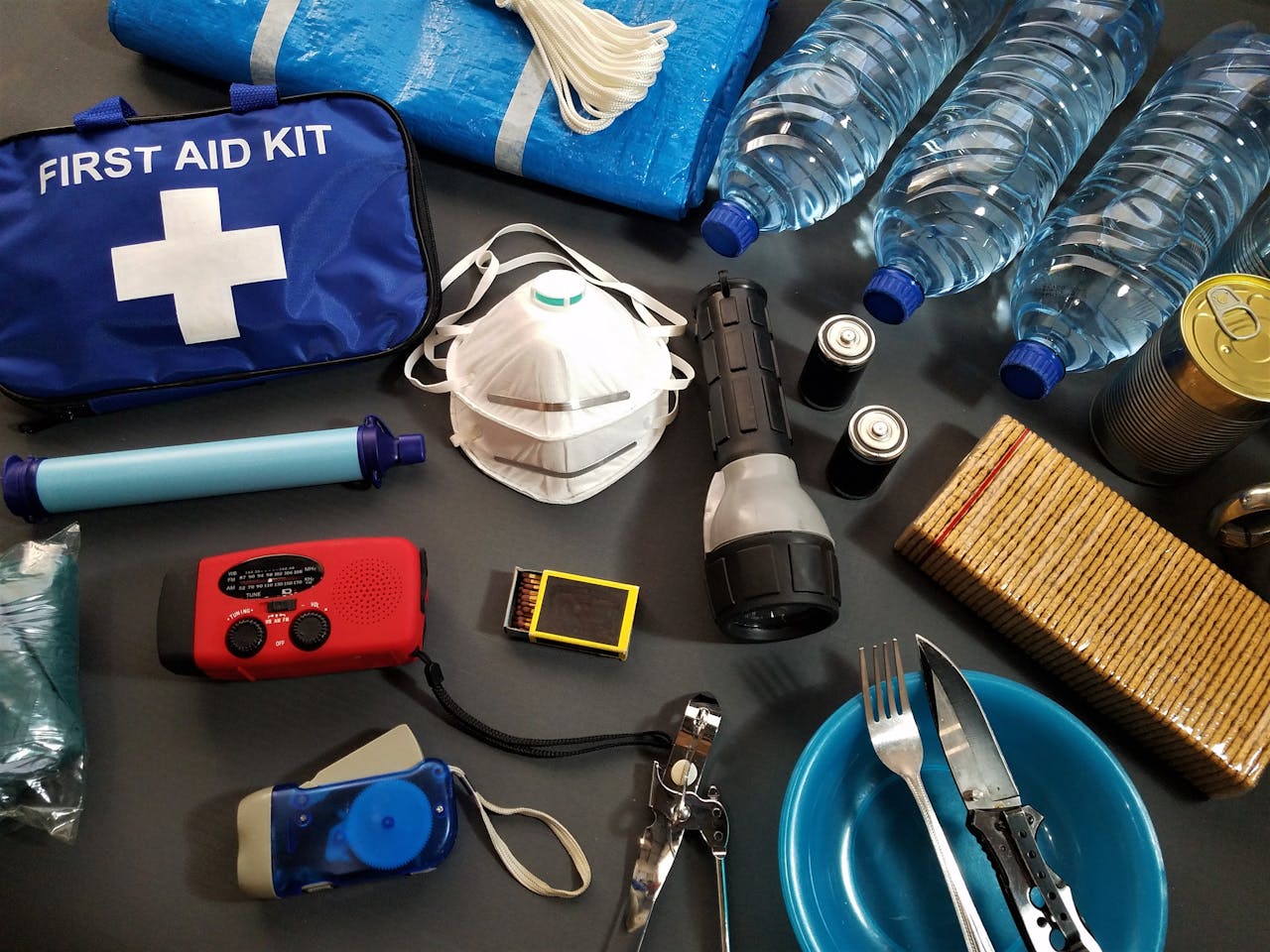
A complete camping first aid setup goes far beyond antiseptic and adhesive bandages. We recommend a complete kit that includes injury treatment, pain relief, skin care, and rash prevention and treatment.
Minor irritations are the most common reason campers cut trips short. Issues like poison ivy exposure, allergic reactions, sunburn, blisters, and chafing can all be managed or avoided with a well-stocked first aid kit.
Pro Tip:
We recommend using waterproof bags or pouches to organize your hiking first aid kit. This makes it easy to access essential tools during sudden weather changes or at night.
Why Skin Care Belongs in Every Camping First Aid Plan
People often ask, “Is camping safe?”. However, the answer depends on a few factors such as weather, wildlife, and how prepared campers are for outdoor discomfort. Often, the problems faced by campers are common skin-related issues:
- Exposure to urushiol from poison ivy, oak, or sumac
- Chafing from wet socks, damp clothing, or poorly fitted gear
- Insect bites
- Sunburn
- Blisters from hiking boots that aren’t broken in
To avoid these problems, be sure to break in your hiking boots before you hit the trail. Only take comfortable clothing with you, and be sure to dry it in the sun if you get wet. Apply insect repellent or carry citronella oil to ward off bugs as you explore.
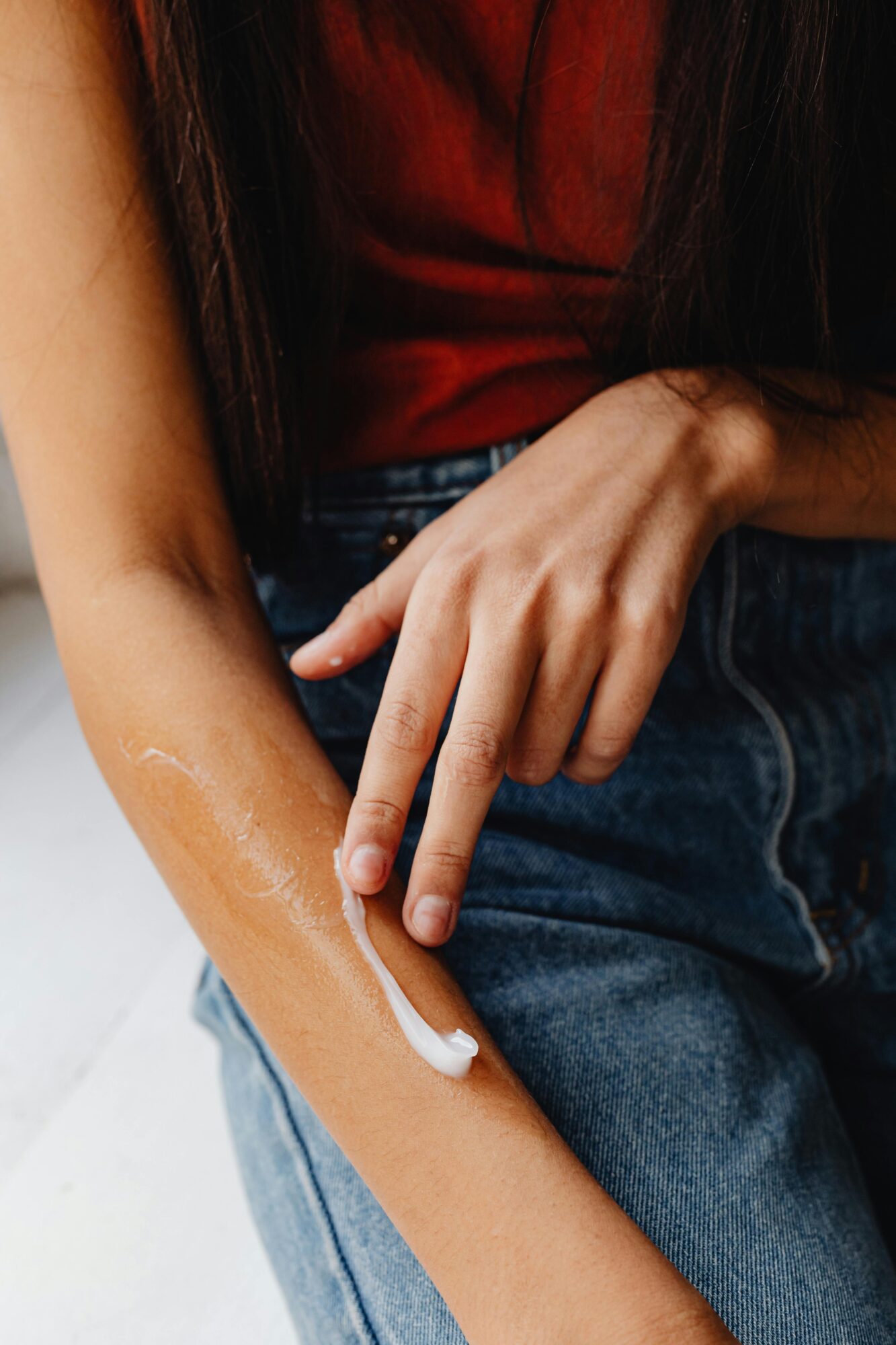
As for your skin, apply sunscreen in regular intervals of 2-3 hours (especially after swimming) to prevent sunburn. In unlucky cases, apply Ivarest® Poison Ivy Oil Removal & Itch Relief Pads right after suspected contact with poisonous leaves or vines to remove rash-causing oil. If irritation develops, Ivarest® Poison Ivy Itch Cream is formulated to relieve itching, reduce inflammation, and support healing. For no-touch, on-the-go application, particularly when cleanup isn’t practical, Ivarest® Poison Ivy Itch Spray offers fast, targeted relief and is especially helpful for painful or sensitive rashes. These items are especially helpful on group trips where shared gear or close contact in tents can spread allergens.
Essential Camping Safety Tips for a Trouble-Free Trip
Camping safety depends largely on preparation. This is why campers are urged to follow these basic camping tips. These are standard rules for all campers staying in nature to avoid dangerous situations and protect the environment for generations to come.
Fire Safety Tips
Adhering to strict fire safety guidelines is a must-have for your safety as well as the safety of others and local wildlife. If you have a campfire, be sure to:
- Use designated fire rings or grates.
- Keep water and dirt nearby.
- Fully extinguish embers before leaving or going to sleep.
- Never burn plastic or poison ivy (the smoke can trigger severe reactions).
Smart Water Usage and Clean Drinking Practices
When it comes to what to bring camping, water is number one for ensuring you have a healthy trip. Here are things to consider:
- Plan to have enough potable water for at least 2 liters per person per day
- Use a water filter or purification tablets if sourcing from lakes or streams
- Never wash dishes or bathe directly in natural water sources
- Carry a collapsible sink or bucket to hold wastewater
- Refill and treat water before supplies run low, especially in remote areas
- Practice “Leave No Trace” camping by disposing of wastewater at least 200 feet from lakes and rivers
Wildlife Awareness at Camp
We always remind ourselves that when we’re in the great outdoors, we’re guests in the habitats of local wildlife. Here are a few best practices we follow to deal with local wildlife:
- Store scented items in a bear canister or suspended bag.
- Keep food and toiletries out of tents.
- Wash dishes away from camp and seal all waste.
- Bring a whistle and bear repellent in bear country.
Space-Saving, Problem-Solving Camping Gear
Here are some other camping necessities we recommend to ensure you have a successful trip:
| Item | Common Uses |
| Duct Tape | Patch tents, seal food, wrap hot spots or blisters |
| Paracord | Secure tarps, hang gear, and improvise fixes |
| Bandana | Works as a sun shield, a towel, a potholder, or a sweat rag |
| Dry Sack | Protects clothes or a sleeping bag, and doubles as a pillow |
| Zip Bags | Hold snacks, separate trash, and organize essentials |
Bonus Tip:
Pack a quick-access pouch with items that are easy to misplace, such as a multitool, lighter, whistle, and Ivarest® Poison Ivy Oil Removal & Itch Relief Pads. Keeping it near the top of backpacks or close to sleeping gear can make it easier to find when needed.
Enjoy the outdoors without the worry.
Experience fast relief from poison ivy itch and irritation with Ivarest
Closing Thoughts on Camping Essentials and Safety
Thoughtful preparation leading up to your trip is the key to ensuring you have the safest and most enjoyable camping experience possible.
Remember that a detailed camping checklist can ensure critical items are not forgotten. From navigation tools, weather protection, and skin care, each component supports having an enjoyable and comfortable outdoor experience.
We always give special attention to our camping first aid kit, as minor issues can quickly escalate without the right treatment. Quality products like those from Ivarest belong in any comprehensive medical kit, helping us stay ready to manage common skin irritations and injuries that commonly occur outdoors.
When every item in our pack serves a clear purpose, gear functions as intended, and safety measures are in place, we’re free to focus on what matters most: connecting with nature, making memories, and enjoying every moment outside.