Is Poison Ivy Contagious? How Poison Oak, Ivy, and Sumac Rashes Spread
Is Poison Ivy Contagious? How Poison Oak, Ivy, and Sumac Rashes Spread
If you have recently spent time outdoors and suddenly find yourself facing a relentlessly itchy, blistering rash, you may be wondering if you have a poison ivy rash. For many people, the immediate panic is twofold: the severe discomfort of the skin reaction itself and the pressing concern that they might pass this agonizing rash on to family members, friends, or coworkers.
The rash itself is not contagious — but the oil that causes it absolutely can spread. Poison ivy cannot be transmitted through the rash or blister fluid. However, urushiol oil — the true culprit — is a different story. If the oil is still present on your skin, clothing, or tools and you come into physical contact with another person, you can transfer it directly to them. Understanding this distinction is critical for protecting both yourself and those around you.
This comprehensive guide will break down the science behind the rash, clarify exactly how it does and doesn’t spread, provide detailed identification profiles for these toxic plants, and outline the most effective, evidence-based methods for achieving fast relief.
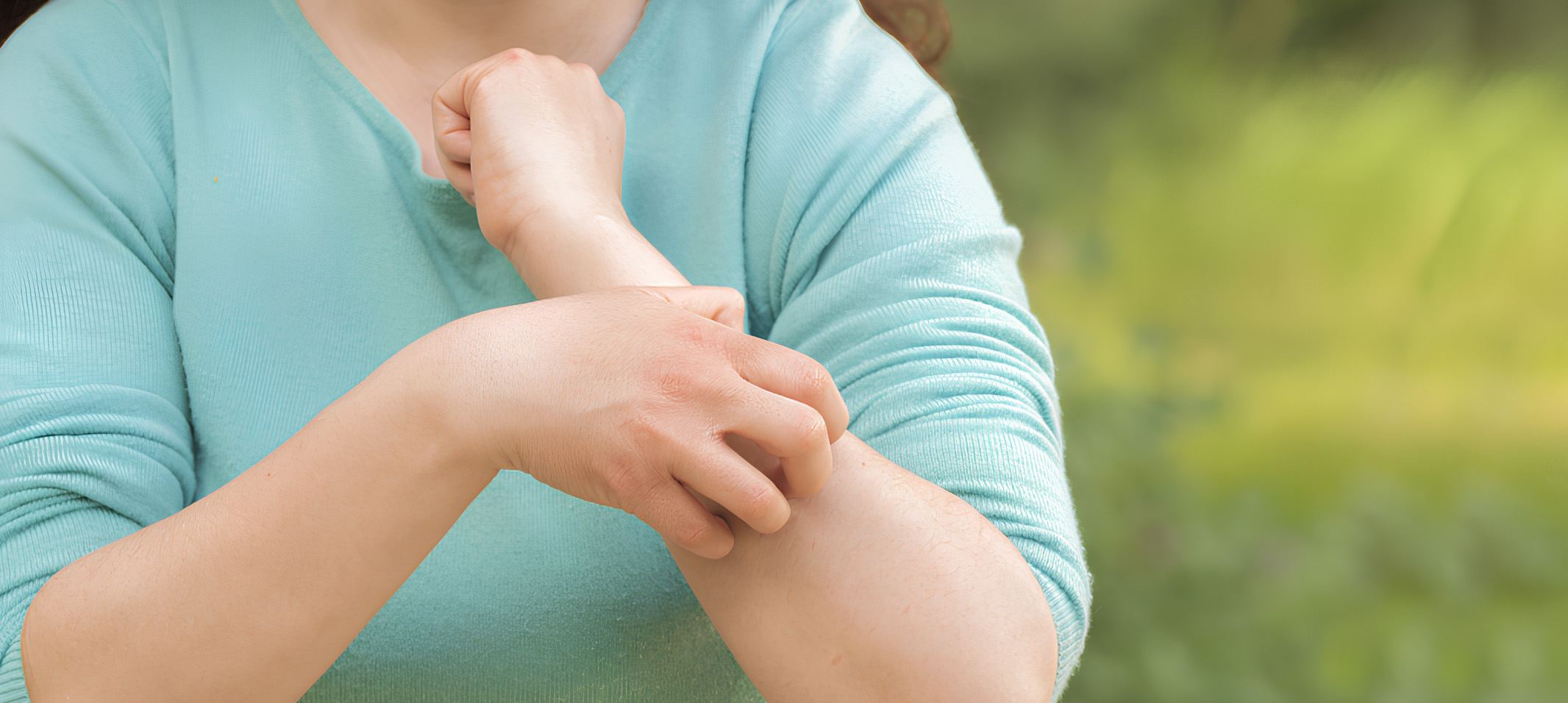
Is Poison Ivy Contagious? The Science of Urushiol Oil
The short answer is no: poison ivy is not contagious. You cannot catch a poison ivy rash from someone else, nor can you transmit it by being near others. The rash and the fluid in its blisters are not contagious.
To understand why the rash isn’t contagious, and why it so convincingly appears to be, you must look at the allergen itself: urushiol oil.
What is Urushiol Oil?
Urushiol is a sticky oil found throughout poison ivy, oak, and sumac, even on dead plants. Just a tiny amount can trigger a rash in most people. Approximately 85% of the population is allergic to urushiol, making it one of the most common allergens in the world.
When urushiol comes into contact with your skin, it triggers an allergic reaction more commonly known as contact dermatitis. The immune system identifies the oil as a harmful invader and launches an inflammatory response, resulting in an itchy rash, redness, and blisters.
How the Rash Appears to “Spread”
If the rash isn’t contagious, why does it seem to spread across your body over several days, or suddenly appear on someone else in your household? The answer lies in the persistent nature of urushiol oil and the mechanics of the allergic reaction.
- Delayed Reaction: A poison ivy rash develops 12–72 hours after contact, and shows up first where the most oil touched thinner skin. It can seem to spread, but new breakouts are just delayed reactions where less oil or thicker skin was affected.
- Secondary Contact via Objects: Urushiol can remain active on surfaces like bed sheets for months or even years. Poison ivy rash spreads only if the oil is present; unwashed skin can transfer urushiol to fabric, putting anyone who contacts
- Transfer via Skin-to-Skin Contact: If urushiol oil is still on your skin and you make physical contact with another person — even something as simple as a hug or a handshake — you can transfer the oil directly to them. They will develop their own independent reaction, not because the rash is contagious, but because they’ve now been exposed to the same allergen that triggered yours.
- Transfer via Pets: Dogs and cats aren’t affected by poison ivy, but urushiol oil can stick to their fur. If you touch your pet after exposure, the oil can transfer to your skin and cause a rash.
Therefore, the fluid from your blisters cannot spread the rash. Only direct contact with urushiol oil can initiate the allergic reaction. Once the oil has been completely washed off your skin and your environment, you are essentially “safe” to interact with others.
Identifying the Culprits: Poison Ivy, Poison Oak, and Poison Sumac
The first line of defense against allergic contact dermatitis is avoidance, which requires accurate identification. While these three poisonous plants share the same defense mechanism (urushiol), they vary significantly in appearance and geographic distribution.
Poison Ivy (Toxicodendron radicans)
Poison ivy is the most widespread of the three, found throughout the United States except for Alaska, Hawaii, and parts of the West Coast.
Key Characteristics:
- “Leaves of Three, Let It Be”: This is the most reliable rule of thumb. Poison ivy always features a cluster of three leaflets connected to a single stem.
- Leaf Shape: The leaflets are typically almond-shaped. They can be smooth-edged, gently lobed, or toothed. The middle leaflet usually has a slightly longer stem than the two side leaflets.
- Growth Habit: Depending on the region, poison ivy can grow as a low-lying ground cover, a freestanding shrub, or a hairy, ropelike vine climbing up tree trunks and fences. The presence of aerial roots that look like reddish-brown hairs on vines is a major warning sign.
- Seasonal Changes: In the spring, the leaves emerge with a reddish hue. They turn a glossy green in the summer and transition to brilliant yellow, orange, or bright red in the fall.
- Berries: In late summer and fall, mature plants may produce clusters of small, whitish-green or cream-colored berries.
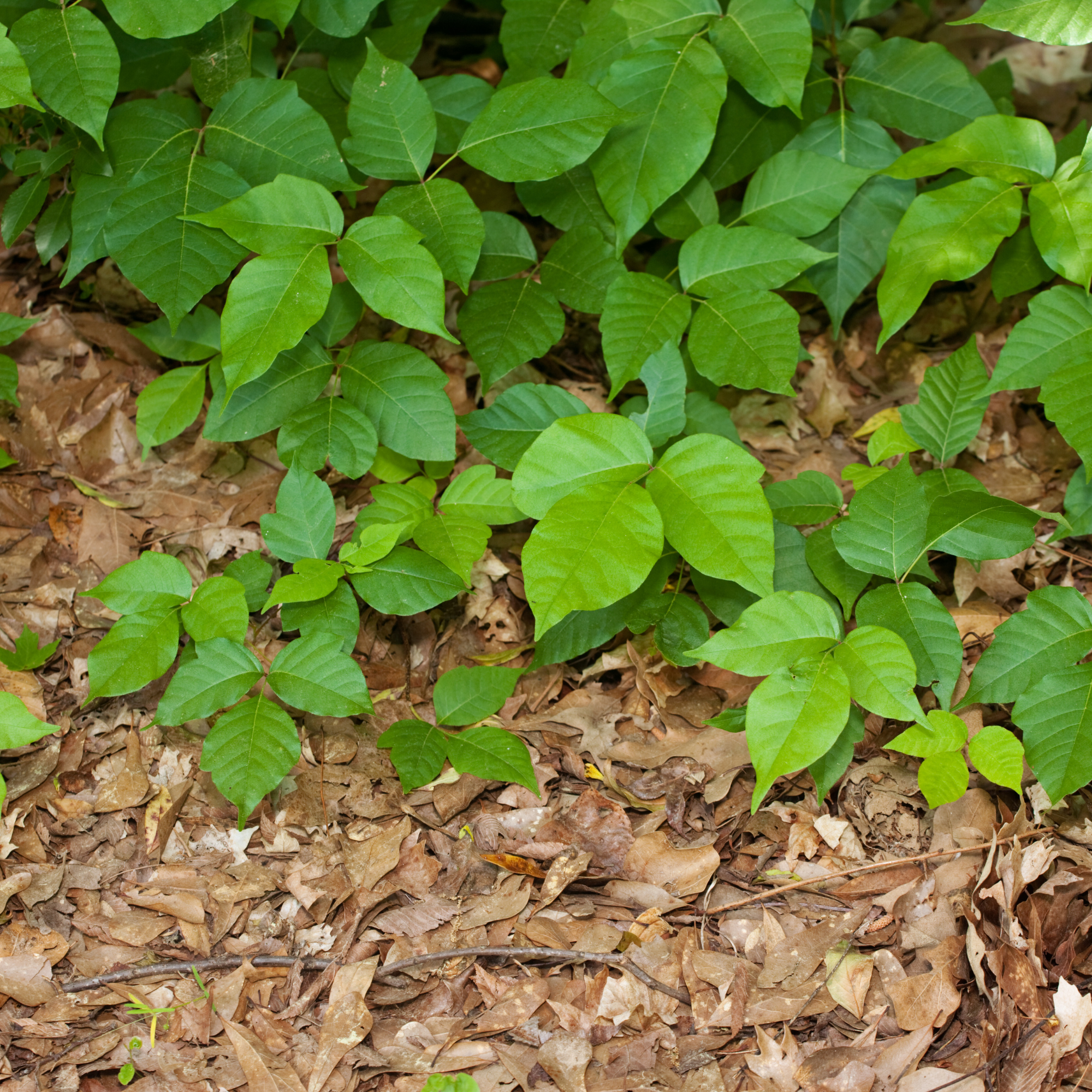
Poison Oak (Toxicodendron diversilobum and Toxicodendron pubescens)
Poison oak is divided into two primary species: Pacific poison oak (found predominantly on the West Coast) and Atlantic poison oak (found in the Southeastern United States).
Key Characteristics:
- Leaf Structure: Like poison ivy, poison oak generally features leaves in clusters of three. However, the edges of the leaflets are scalloped or deeply lobed, bearing a strong resemblance to the leaves of a true oak tree.
- Texture: The leaves often have a slightly fuzzy or velvety texture, particularly on the underside.
- Growth Habit: It typically grows as a dense shrub, often reaching up to six feet tall, though in heavily shaded areas like forests, it can sometimes adopt a climbing vine habit.
- Berries: Poison oak produces similar small, yellow-green, or whitish-green berries.
- What does poison oak do if you touch it? The reaction is identical to poison ivy. The urushiol oil penetrates the skin and causes the same intense, blistering allergic contact dermatitis.
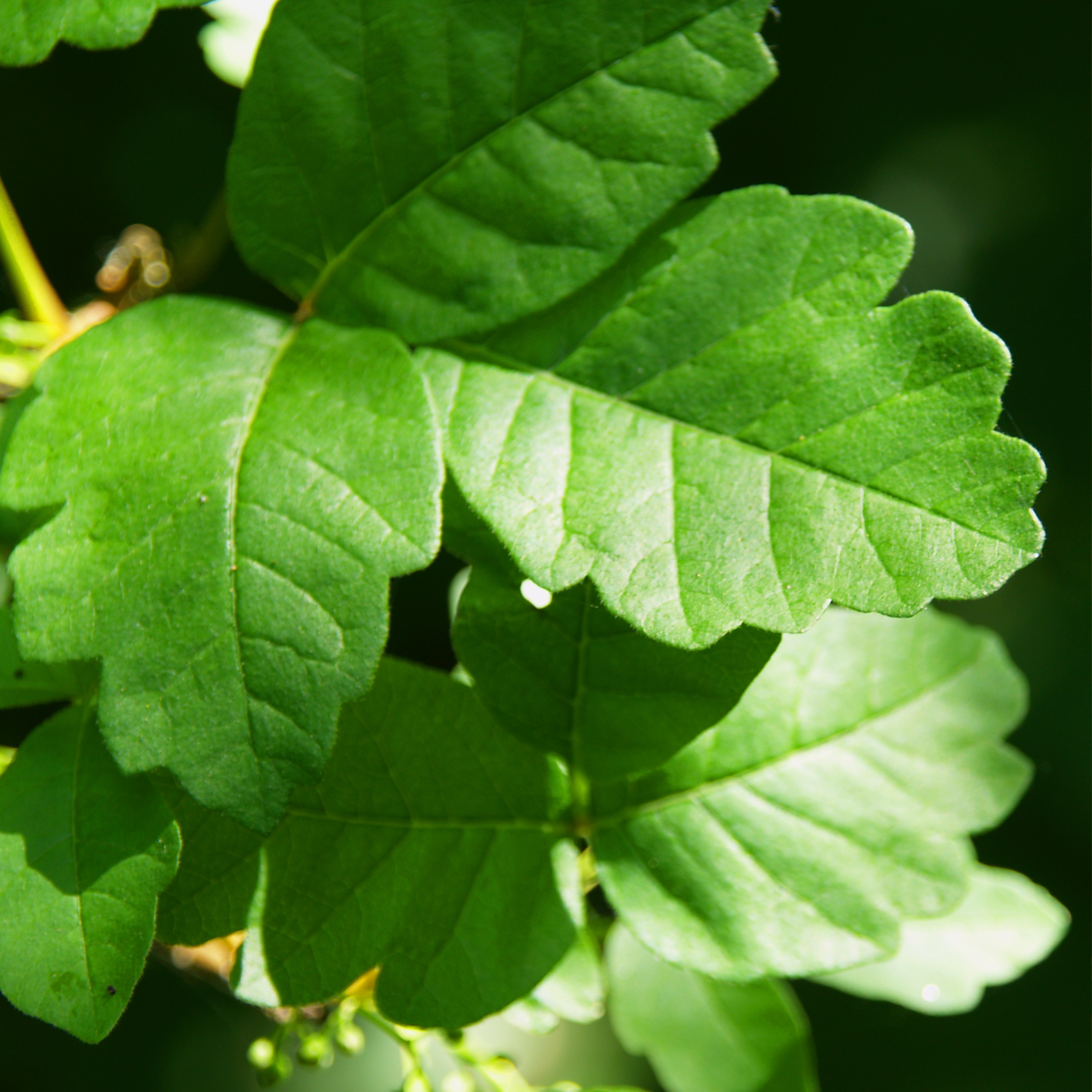
Poison Sumac (Toxicodendron vernix)
Many people wonder, “Is sumac worse than poison ivy?” While the oil is exactly the same, poison sumac is often considered more dangerous because every part of the plant contains a highly concentrated amount of urushiol, potentially leading to a more severe reaction.
Key Characteristics:
- Berries: It produces clusters of drooping, cream-colored berries. (Note: Non-poisonous staghorn sumac, which grows in dry areas, produces upright, fuzzy red berries. If the berries are red, it is non-poisonous; if they are white or green, stay away).
- Environment: Poison sumac is highly specific in its habitat. It thrives exclusively in wet, swampy areas, bogs, and the margins of wetlands, primarily in the Eastern and Southeastern United States.
- Growth Habit: It grows as a woody shrub or small tree, reaching anywhere from 5 to 20 feet in height.
- Leaf Structure: Unlike ivy and oak, poison sumac does not have leaves of three. Instead, it features pinnate leaves with 7 to 13 leaflets arranged in pairs along a central red stem, with a single leaflet at the very tip.
- Leaf Appearance: The leaflets are oval-shaped with smooth, entire margins (no “teeth” or lobes).
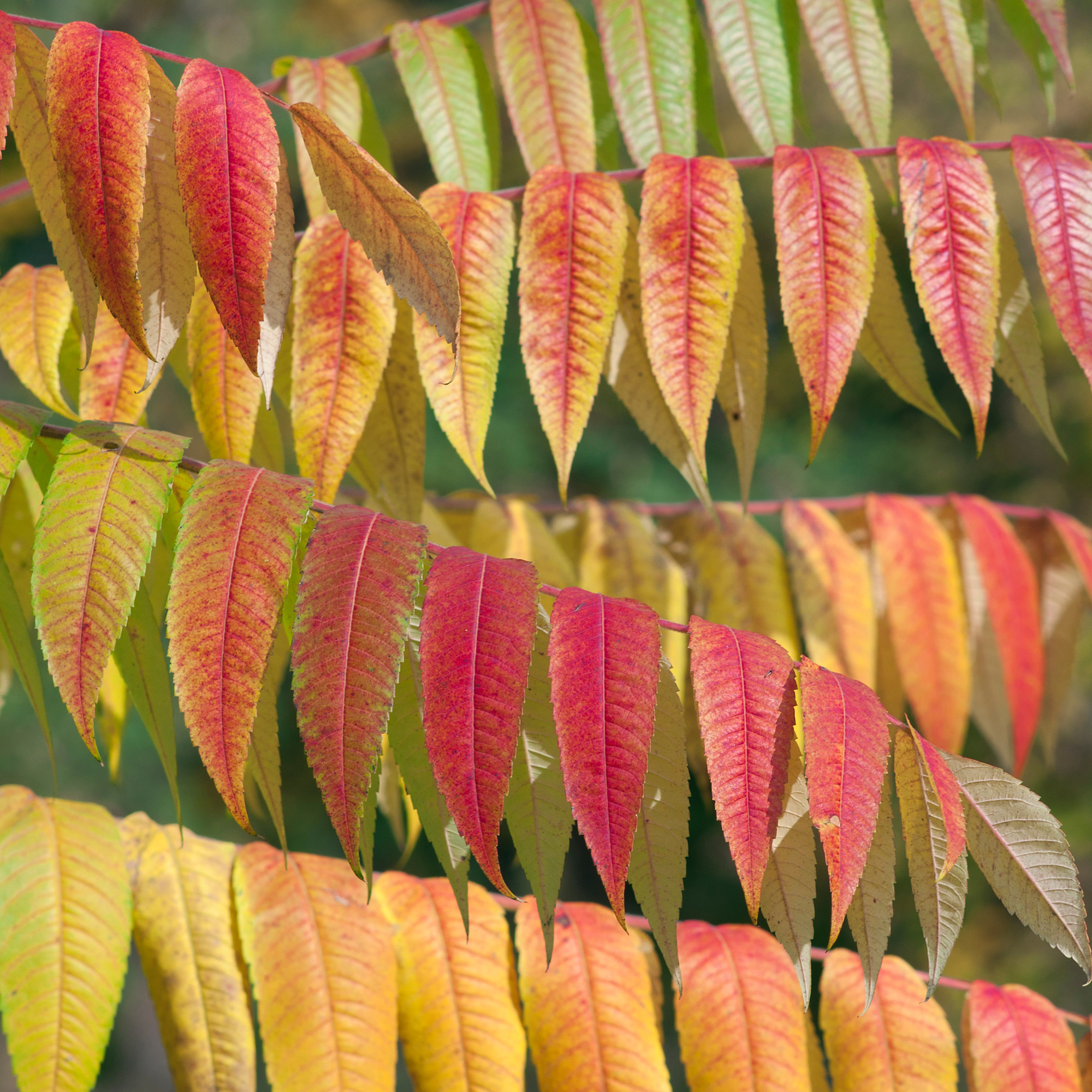
Recognizing the Symptoms: What Does the Rash Look Like?
If you fail to spot the plant and come into contact with urushiol, knowing how to identify the ensuing rash is critical. How do you tell if your rash is poison ivy, poison oak, or poison sumac? Because the allergen is identical, the resulting rashes are visually indistinguishable from one another.
Typical Symptoms Include:
- Intense Itching: This is almost always the first sign. The itch from urushiol-induced contact dermatitis is notoriously severe.
- Redness and Swelling: The affected area will quickly become red, inflamed, and raised.
- Streaks or Lines: Because you usually brush past the plant, the rash frequently appears in straight lines or distinct streaks where the edge of the leaf dragged across your skin.
- Blisters: Small, fluid-filled blisters will form. These can range from pinpoint-sized bumps to large, agonizing bullae. The fluid inside these blisters is blood serum, not urushiol, which is why popping them does not spread the rash (though it does increase the risk of infection).
What gets mistaken for poison ivy rash? Other issues can resemble this rash. Bug bites can be very itchy with red bumps, but don’t usually form the straight lines seen in poison ivy. Eczema or contact dermatitis from chemicals may appear similar, but fast-blistering after outdoor exposure strongly suggests a toxic plant.
Enjoy the outdoors without the worry.
Experience fast relief from poison ivy itch and irritation with Ivarest

Immediate First Aid: What to Do After Exposure
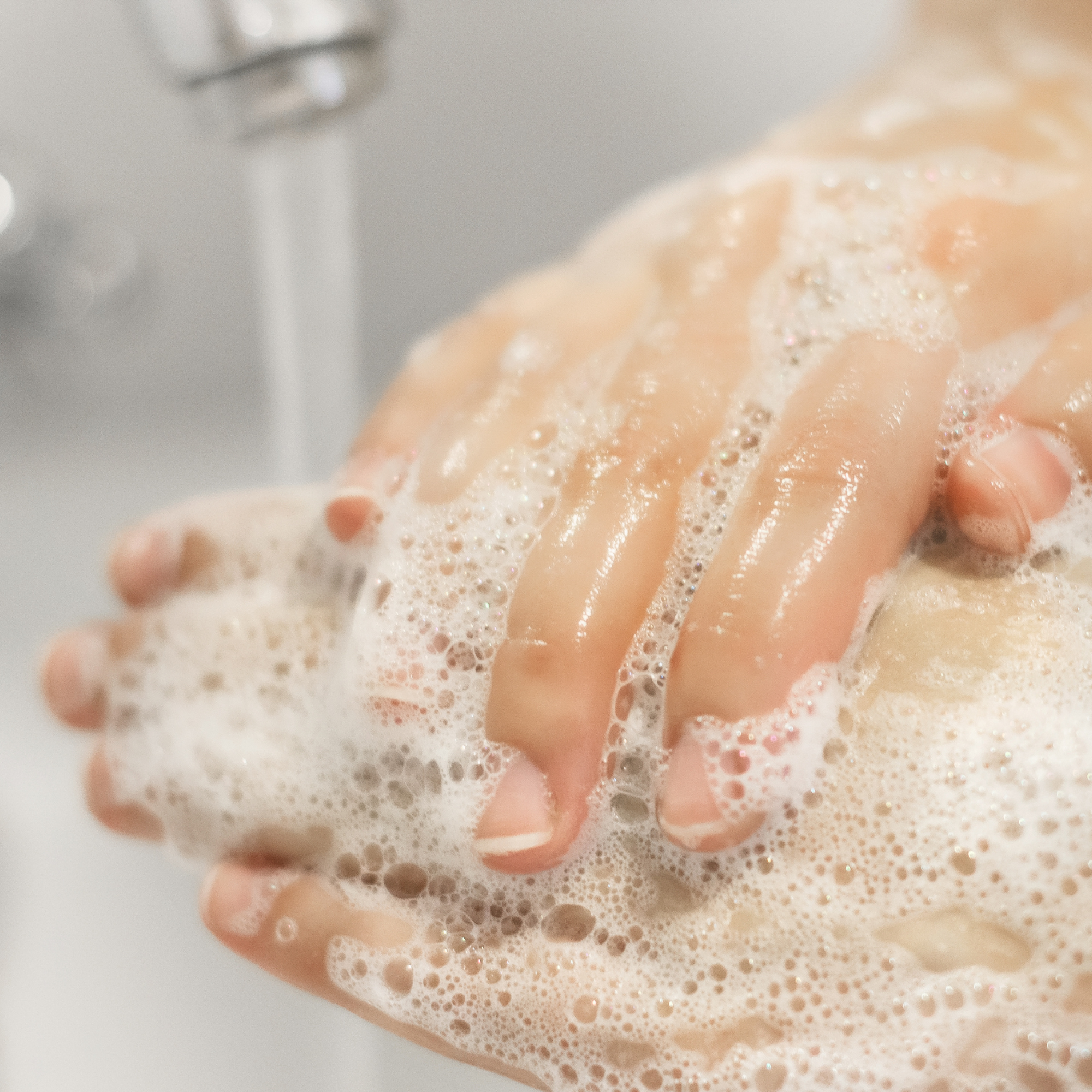
The single most important step you can take after touching poison ivy is to remove the urushiol oil from your skin as quickly as possible. The oil binds to the skin rapidly — often within 10 to 30 minutes. If you can wash it off before it binds completely, you can entirely prevent or significantly lessen the severity of the reaction.
- Wash Thoroughly with Soap and Water: Use lukewarm water and a generous amount of soap. Ordinary dish soap is highly effective because it is formulated to cut through heavy grease. There are also specialized over-the-counter washes — such as Ivarest Poison Ivy Oil Removal & Itch Relief Pads, Tecnu, or Zanfel — designed specifically to break down and lift urushiol from skin on contact.
- Use Heavy Friction: Just splashing water on the area is not enough. You must use friction with a washcloth to physically lift the oily resin off your skin. Wash vigorously for several minutes.
- Clean Under Your Fingernails: Urushiol easily gets trapped under the fingernails when you scratch the initial itch, and you can subsequently transfer the oil to your face or eyes. Use a nail brush to scrub beneath your nails thoroughly.
- Decontaminate Everything: Wash all clothing, including shoes and shoelaces, in the hottest water possible with a strong detergent. Do not mix contaminated clothes with your regular laundry. Wipe down gardening tools, steering wheels, and your pet’s fur with soapy water or pet-safe urushiol removers.
Home Treatments and Fast Relief
If you didn’t wash the oil off in time and the rash has erupted, your focus shifts to symptom management. While there is no instant “cure” for an allergic reaction, there are effective strategies to mitigate the misery.
What clears up poison ivy the fastest? The fastest way to get rid of a poison ivy rash entirely depends on your immune system’s healing speed, which typically takes one to three weeks. However, you can rapidly suppress the symptoms through consistent topical and oral treatments.
Effective Over-the-Counter Solutions:
- Ivarest Poison Ivy Itch Cream: This cream soothes skin fast and relieves itching and discomfort associated with poisonous plants, insect bites, and other minor skin irritations for up to 8 hours. Its triple-action formula — diphenhydramine HCl (antihistamine), benzyl alcohol (topical analgesic), and 14% calamine, nearly double the industry average — delivers far more complete relief than basic hydrocortisone.
- Ivarest Poison Ivy Itch Spray: A convenient no-touch spray — ideal for on-the-go use, hard-to-reach areas, or skin too tender to rub. Pramoxine HCl stops itch fast while zinc acetate dries the rash and protects the skin.
- Calamine Lotion: This classic pink liquid acts as an astringent, helping to dry out weeping blisters and cool the itchy skin. Apply it in thin layers several times a day.
- Colloidal Oatmeal Baths: Soaking in a lukewarm bath infused with colloidal oatmeal provides profound, albeit temporary, relief for widespread itchy skin.
- Cold Compresses: Applying clean washcloths soaked in cold water to the inflamed areas for 15-30 minutes can constrict blood vessels and temporarily numb the severe itch.
What NOT to Do: Do not apply irritating substances like bleach, rubbing alcohol, or harsh household chemicals to the rash. These “home remedies” severely damage the skin barrier, increasing pain and drastically raising the likelihood of a secondary bacterial infection. Furthermore, resist the urge to scratch or deliberately rupture the blisters. Open skin invites bacteria like staph and strep, turning a frustrating allergic reaction into a dangerous medical issue.
When to Seek Medical Care
While most poison ivy rashes can be safely managed at home with over-the-counter skin care products, certain situations require prompt intervention from a healthcare provider.
Seek immediate medical attention if you experience:
- Difficulty Breathing or Swallowing: This indicates a severe, systemic allergic reaction (anaphylaxis) or internal exposure from inhaling smoke from burning toxic plants.
- Rash on Sensitive Areas: If the rash involves the eyes, eyelids, mouth, or genitals, professional medical treatment is required to prevent complications.
- Signs of Infection: If the blisters begin oozing thick yellow pus, or if the skin develops a spreading, warm redness accompanied by a fever, a secondary bacterial infection has likely taken hold. Antibiotics will be necessary.
- Severe or Widespread Reaction: If the rash covers more than 25% of your body, or if the swelling is so severe that it limits your mobility, a healthcare provider may prescribe oral corticosteroids (like prednisone) to rapidly shut down the intense immune response.
Prevention and Long-Term Strategies
The best treatment for poison ivy, oak, and sumac is meticulous prevention. By adopting a proactive approach, you can enjoy the outdoors without fear of contact dermatitis.
Protective Clothing and Barriers: When hiking, gardening, or working near poisonous plants, wear long pants, long sleeves, socks, and heavy gloves. Tuck pants into socks to keep vines off your skin.
Barrier Creams: For high-risk areas, use an over-the-counter barrier cream with bentoquatam 15 minutes before exposure. It forms a protective layer that absorbs urushiol oil before it reaches your skin.
Safe Plant Eradication: Never burn poison ivy, doing so can send dangerous oils into the air and cause severe breathing problems. Instead, when removing poison ivy, wear protective gear, dig out the roots, and seal the plant in plastic bags for disposal. For large outbreaks, hire professionals trained in toxic plant removal.
Conclusion
Understanding the mechanics of urushiol oil is the key to demystifying the poison ivy rash. By recognizing that the condition is an allergic reaction to plant oil rather than a contagious disease, you can approach outdoor activities with confidence. Arm yourself with the knowledge to identify the distinctive “leaves of three” and the swamp-dwelling sumac, act decisively with soapy friction if exposure occurs, and utilize effective over-the-counter remedies to soothe the itch. With careful observation and prompt action, the threat of these toxic plants can be effectively managed.
For reliable relief from poison ivy rashes, consider our specially formulated cream, spray, and relief pads designed to soothe itching and reduce inflammation effectively, your best defense against nature’s irritant!
No, the poison ivy rash itself is not contagious. The reaction is caused by skin contact with urushiol oil from the plant—not from person-to-person contact. Once urushiol has been washed off the skin, the rash cannot spread to others.
Yes, you can be around others. Just make sure any clothing, pets, or objects that might still have urushiol oil on them are thoroughly cleaned, as urushiol can trigger a rash on others if it is transferred.
Poison ivy cannot “spread” from the fluid in the rash blisters. However, if urushiol oil is left on bed sheets (or clothing, towels, or furniture), it can cause new rashes in anyone who comes into contact with it. Wash exposed items in hot, soapy water.
Quick relief starts by washing the affected skin with soap and cool water as soon as possible to remove urushiol oil. Over-the-counter treatments such as Ivarest’s specially formulated cream, spray, relief pads, general topical corticosteroids or calamine lotion, and oral antihistamines for itching, typically help ease symptoms. In severe cases, see a healthcare provider for prescription medication.