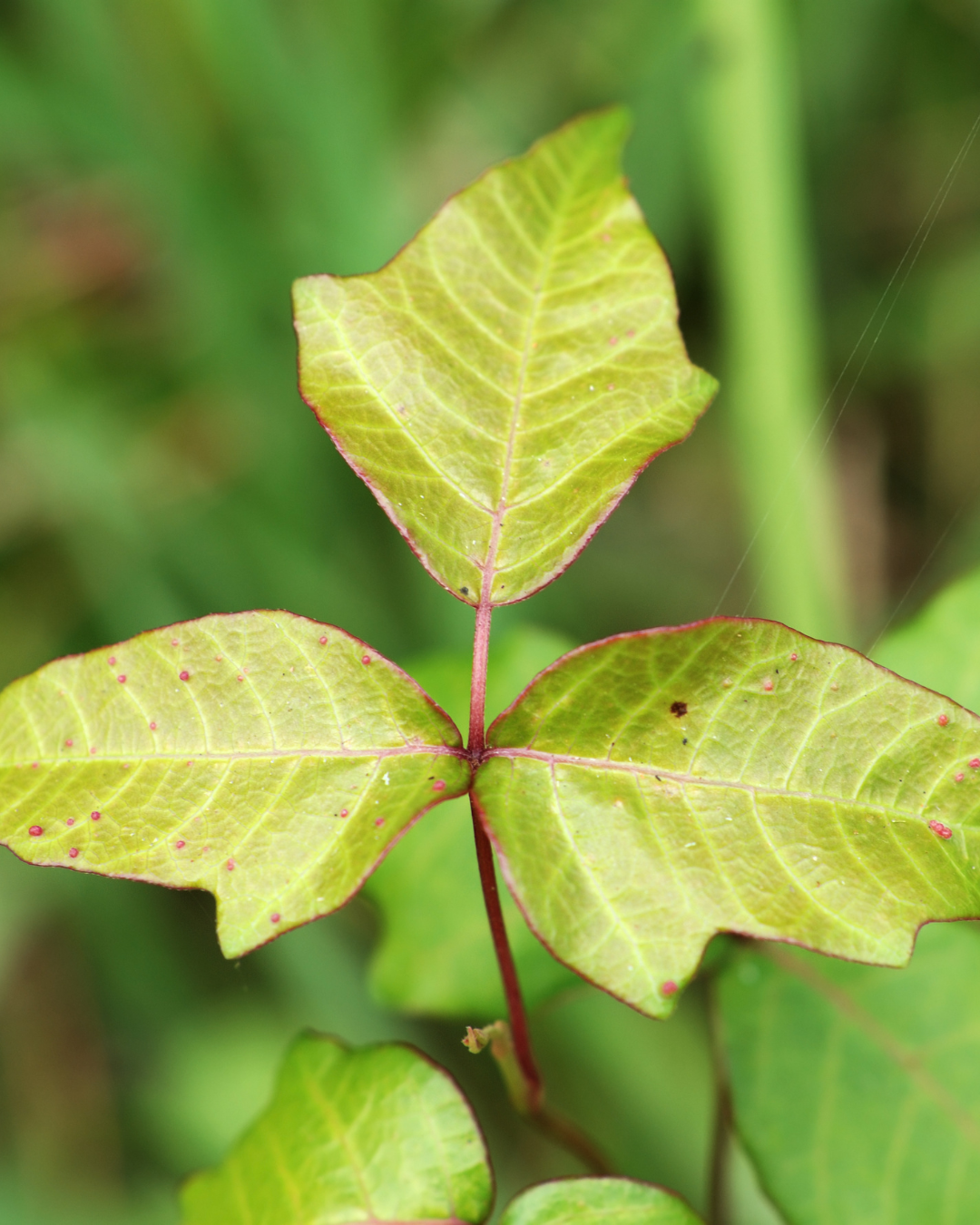
How Long Does Poison Ivy Last?
How Long Does Poison Ivy Last? Timeline, Healing Signs & How to Feel Better Faster
A poison ivy rash lasts 1 to 3 weeks for most people. First-time reactions can take 3 to 4 weeks to clear, and severe cases may last up to 6 weeks. The rash itself has to run its course, but the itching doesn’t: treating symptoms early keeps you comfortable and protects your skin while it heals.
If a hike, a weekend of yard work, or a curious dog left you with an itchy red rash, you’re probably counting the days until it’s gone. Below, you’ll find the full healing timeline, the signs your rash is improving, and what actually speeds up relief.
How Long Does Poison Ivy Last?
How long your poison ivy rash lasts depends on three things: whether you’ve reacted to urushiol before, how much oil touched your skin, and how strongly your immune system responds. Everyone’s timeline looks a little different, but most fall into one of these ranges:
| Scenario | Typical duration |
|---|---|
| Mild reaction, prior exposure | 1–2 weeks |
| Moderate reaction (most cases) | 1–3 weeks |
| First-time exposure | 3–4 weeks (rash may take a week+ to appear) |
| Severe reaction or heavy exposure | Up to 6 weeks — see a doctor |
Do you just let poison ivy run its course? Your immune system does need to finish the reaction on its own — but that doesn’t mean you should suffer through it untreated. Scratching tears the skin barrier and invites bacterial infection, which can add weeks to your recovery. Managing the itch isn’t just about comfort; it protects your healing timeline.
Why Does Poison Ivy Last So Long?
A poison ivy rash isn’t a burn or an infection — it’s a delayed allergic reaction to urushiol, the colorless, odorless oil found in the leaves, stems, and roots of poison ivy, oak, and sumac. About 85% of us react to it. Once urushiol binds to your skin (within about 10–30 minutes of contact), your immune system goes to work attacking it, and that inflammatory response is what you feel as redness, swelling, and that maddening itch. Your body simply needs 1–3 weeks to complete the cycle and rebuild your skin barrier.
Here’s the tricky part: urushiol doesn’t evaporate. It can stay active on garden tools, clothing, camping gear, and pet fur for months or longer, which is why you can end up with a rash without ever touching the plant itself.
Poison Ivy Healing Timeline: Day by Day
The good news: the rash follows a predictable path. Matching your symptoms to the timeline below tells you whether you’re healing normally or should check in with a doctor.
Days 1–2: Nothing visible yet. Urushiol binds to skin within 30 minutes, but the rash usually appears 24–72 hours after contact. First-time reactions can take a week or more to show.
Days 2–5: Redness and itching peak. Red streaks or patches appear where the plant, or contaminated fingers, clothing, or pet fur, touched the skin. Swelling and intense itching often follow. For many people, a first-time poison ivy reaction can take longer to appear because the immune system has not yet been sensitized to urushiol, the oily resin that triggers the rash. Once that reaction starts, first-time cases can also seem to last longer as the body gradually ramps up its inflammatory response. This is when treatment matters most. See the relief section below.
Days 4–10: Blistering and weeping. Fluid-filled blisters can form and may ooze a clear, straw-colored fluid. This fluid is serum, the watery part of your blood, not urushiol, the plant oil that causes the rash. It cannot spread the rash to other people or to other parts of your body. If new patches keep appearing, those areas likely got a smaller amount of the oil and are reacting on a delay.
Days 10–21: Drying, crusting, fading. Blisters stop weeping and scab over. Redness fades to pink or light brown, the itch drops off, and skin regenerates underneath.
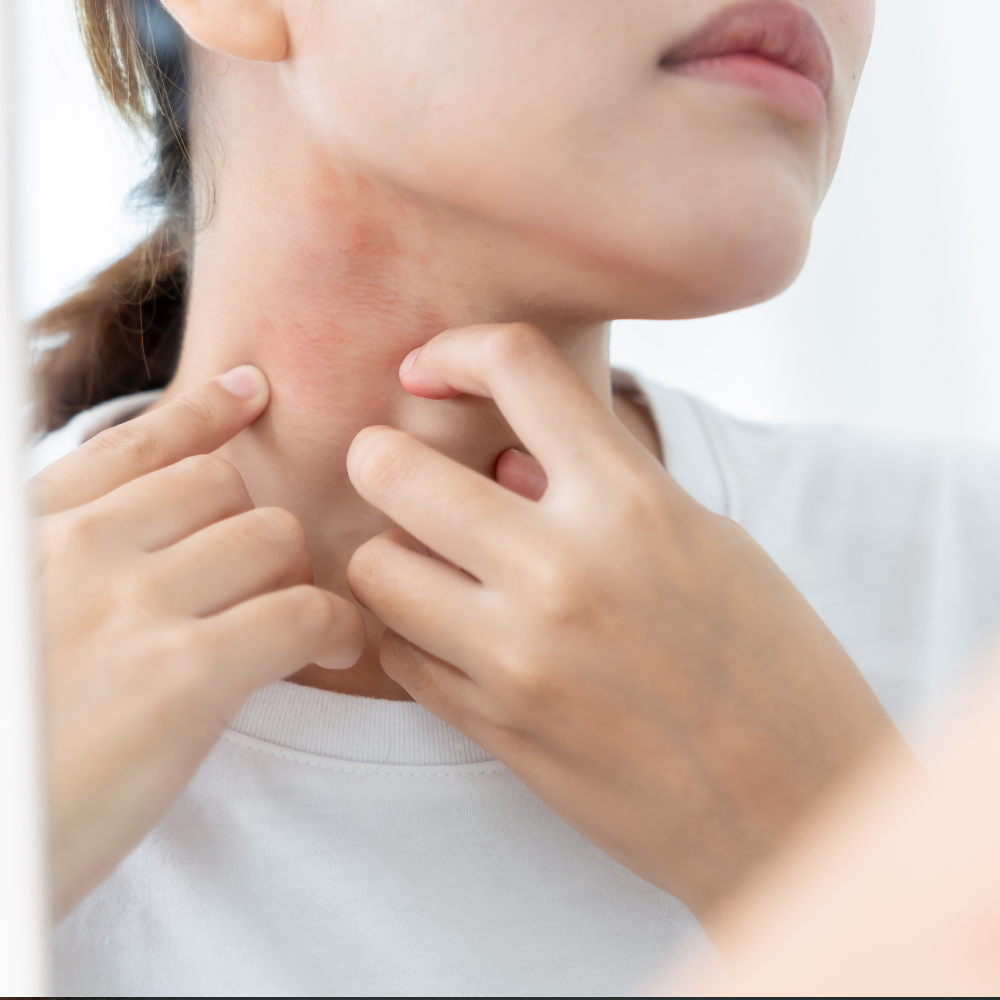
How Can You Tell Poison Ivy Is Healing?
Wondering if you’re finally over the hump? Your rash is healing when you notice these four signs:
- Blisters stop weeping and transition to dry crusts and scabs.
- No new patches appear — the rash has reached its maximum spread.
- The itch fades from constant and burning to mild and occasional.
- Redness dulls to pink or brown as the top layers of skin peel and regenerate.
If instead you see thick yellow or cream-colored pus, a foul odor, spreading warmth, or you develop a fever, that’s a possible bacterial infection — skip ahead to the “when to see a doctor” section.
Enjoy the outdoors without the worry.
Experience fast relief from poison ivy itch and irritation with Ivarest

Can You Get Rid of a Poison Ivy Rash Overnight?
We understand the impulse — when the itch keeps you up at 2 a.m., you want it gone now. But the honest answer is no: there’s no way to cure a poison ivy rash overnight, because the rash is an immune response, not something sitting on the surface of your skin. Be wary of any product that claims otherwise.
What you can do overnight is shut down the itch and start drying out the blisters. That protects your skin from scratch damage and keeps your healing timeline on track instead of stretching it out. Think of it this way: you can’t rush the rash, but you can make the wait far more bearable — and that starts with the right treatment.
What Clears Up Poison Ivy the Fastest?
There’s no single miracle cure — the fastest realistic path is a consistent routine: wash off any remaining oil, then treat the itch and dry the blisters with a treatment made specifically for poison ivy.
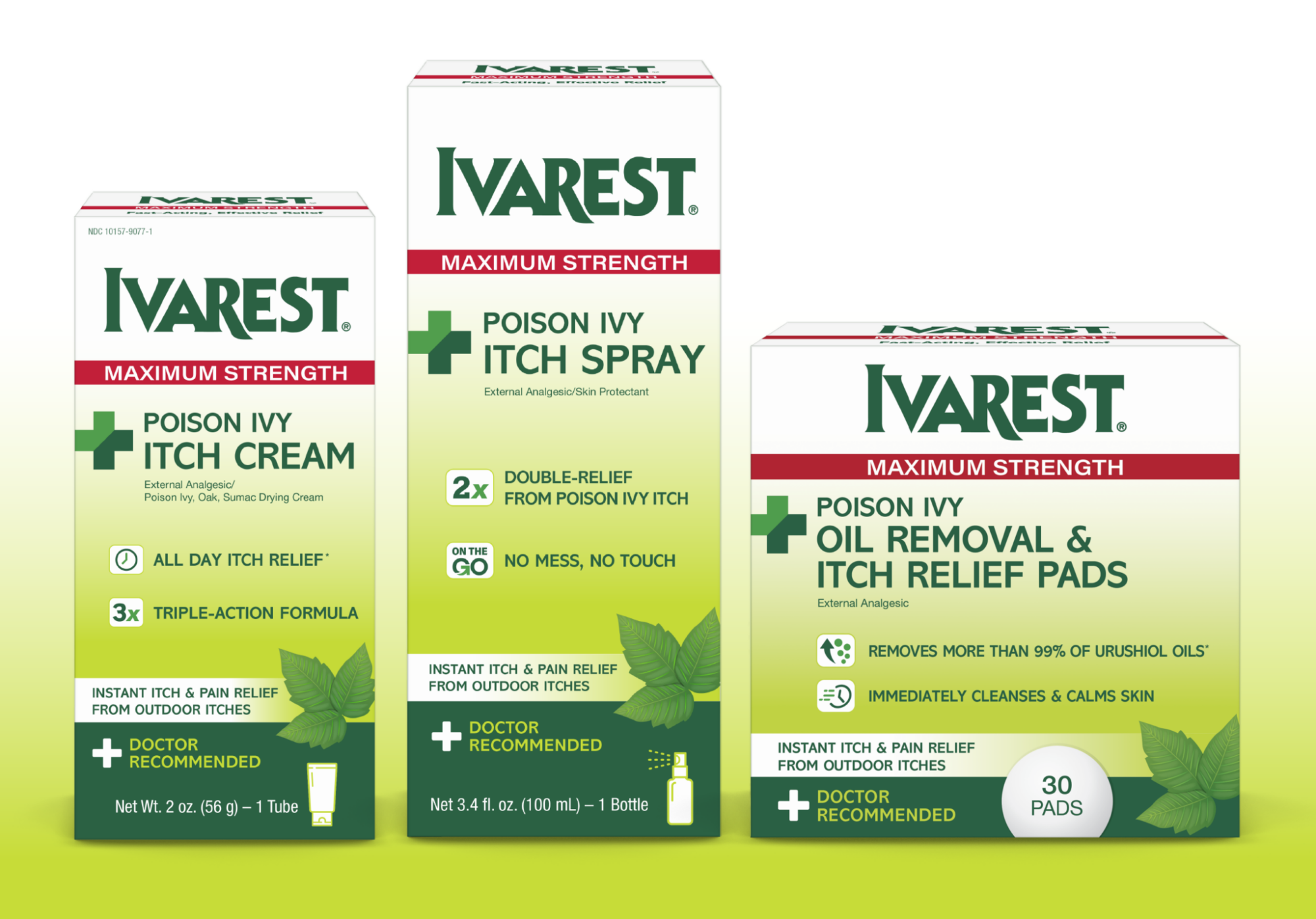
That’s exactly what Ivarest Poison Ivy Itch Cream was formulated to do. It works two ways at once: a topical analgesic/antihistamine calms the itch signal right at the nerve endings, while calamine (a skin protectant) draws moisture out of weeping blisters to speed up the drying phase. The cream layer also shields your raw, healing skin from everyday irritants.
If your rash is in a hard-to-reach spot, or touching it is the last thing you want to do, Ivarest Poison Ivy Itch Spray delivers the same relief without contact. If you’ve just come into contact with poison ivy oil, Ivarest Oil Removal & Itch Relief Pads can also help remove it from smaller areas, which may help lower the chance of developing a rash. And for treating smaller areas on the go, keep Ivarest Itch Relief Pads in your bag or first-aid kit.
How Do You Know the Treatment Is Working?
You should feel it fast: a cooling sensation and a sharp drop in itching within minutes of applying Ivarest. The bumps won’t vanish overnight — no treatment can do that — but with consistent use per package directions, expect the blistering phase to shift into drying and crusting within 48–72 hours, faster than an untreated rash. If itching returns before your next scheduled application, that’s normal early in the reaction; it fades as the rash moves into the healing phase.
At-Home Care That Actually Helps
Alongside a medicated treatment, three home measures reduce inflammation:
- Cool compresses — a cold, wet washcloth on the rash for 15–30 minutes constricts blood vessels and numbs itch.
- Colloidal oatmeal baths — cool or lukewarm only. Hot water dilates blood vessels and makes itching dramatically worse.
- Loose, breathable clothing over the rash to prevent friction.
Most poison ivy rashes go away in 1 to 3 weeks. First-time reactions can take up to 4 weeks, and severe cases up to 6. Treatment doesn’t shorten the immune reaction, but it controls itching and prevents scratching-related infections that would extend it.
Dish soap helps before the rash appears, not after. Washing with dish soap and cool water within 2–4 hours of contact can strip urushiol off your skin and reduce or prevent the reaction. Once the rash erupts, the oil has already bonded — harsh detergents at that point just irritate damaged skin.
Yes, during the blistering phase. Apply an anti-itch treatment like Ivarest, then loosely wrap the area in sterile, breathable gauze. This stops unconscious scratching from tearing open blisters overnight and protects open skin from bacteria.
Blister fluid can’t spread poison ivy — it contains no urushiol. Your sheets are only a risk if you go to bed with unwashed oil still on your skin, clothes, or a pet that slept in your bed. Shower with soap after exposure and wash anything that touched the plant.
Urushiol stays active on tools, clothing, and gear for months to years. Wash contaminated items with soap or detergent and wear gloves while handling them.
Most rashes heal at home with over-the-counter treatment. Get medical care if:
- The rash covers more than 25% of your body
- It affects your eyes, mouth, or genitals
- You have swelling of the face or throat, or trouble breathing
- You inhaled smoke from burning poison ivy
- You see signs of infection: yellow pus, foul odor, worsening pain, or fever
A doctor may prescribe oral corticosteroids or prescription-strength topical steroids for severe reactions.
The Bottom Line
A poison ivy rash takes 1 to 3 weeks to run its course, and nothing erases it overnight — but you have more control than it feels like at 2 a.m. Wash off the oil fast, treat the itch with a dual-action product like Ivarest, keep your blisters intact, and watch for the healing signs above. Knowing what to expect makes the wait easier, and before long you’ll be back outside — hopefully a little better at spotting those three-leaved troublemakers before they spot you.