Poison Ivy, Poison Oak, & Sumac Myths vs. Facts
18 Poison Ivy, Poison Oak, and Sumac Myths vs. Facts
Educating yourself on Poison Ivy, as well as Poison Oak and Sumac, can mean the difference between a perfect day outside or weeks of itching misery. Have you ever gone on a beautiful hike in the woods, only to come home and feel that dreaded itch hours later? You hope it’s not true, but you can’t help wondering: “Did I brush up against poison ivy? Or maybe poison oak or sumac?” In this article, Ivarest goes over poison ivy facts vs myths, so you can explore nature without worry.
For anyone who loves hiking, gardening, or spending time in nature, these irritating plants can make you question your outdoor plans. But just because poisonous plants are out there doesn’t mean you need to stay inside. By understanding the facts—and not falling for the myths—you can protect yourself and enjoy being outside with confidence.
ID Guide: How to Spot Poison Ivy, Poison Oak, and Sumac
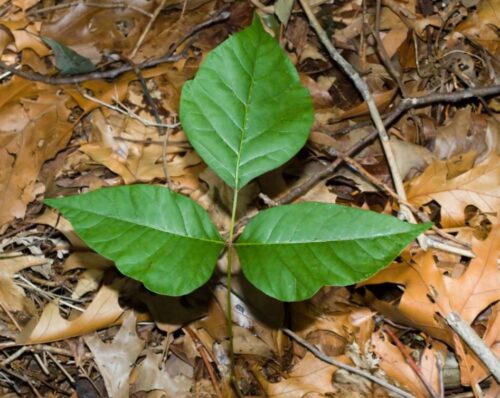
Before we go into details about the myths and facts around these notorious plants, let’s go over how to spot Poison Ivy, Poison Oak & Sumac.
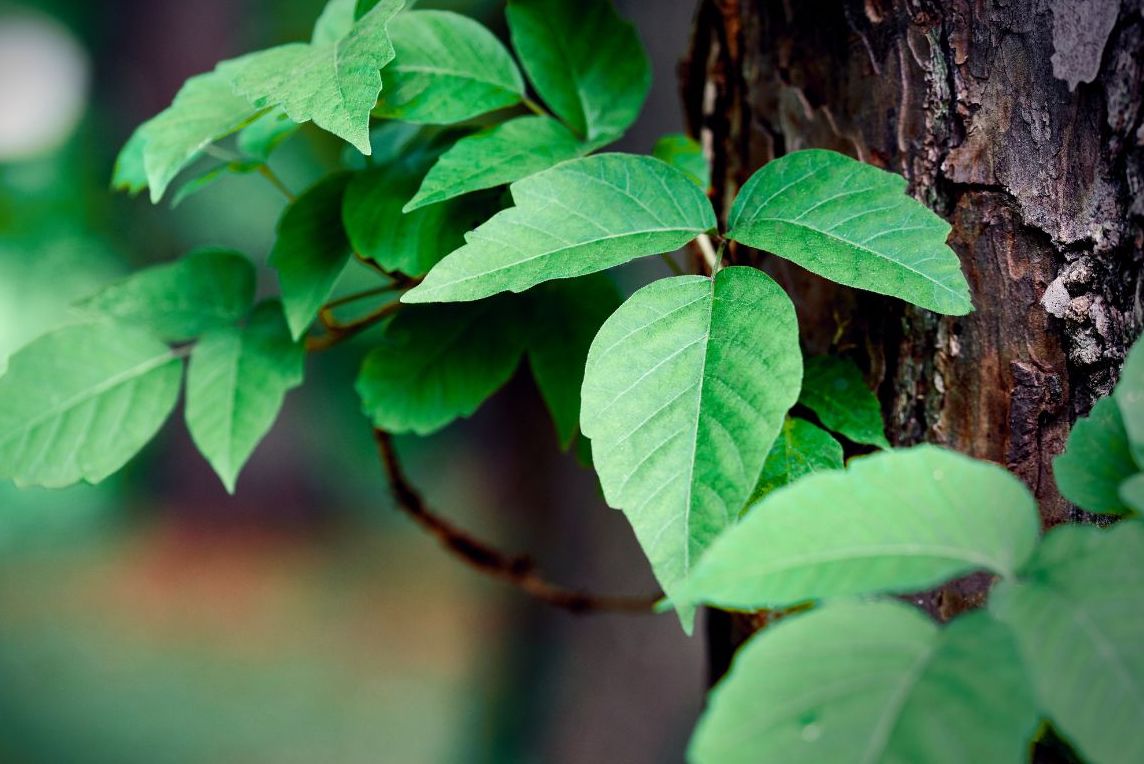
Poison ivy, poison oak, and poison sumac are three toxic plants that can cause skin irritation, but they each have distinct features and habitats. Poison ivy is found across most of the U.S., except in California, Alaska, and Hawaii. It typically has three shiny or dull green leaflets with slightly notched edges and reddish stems in warmer months.
Poison oak also has three leaflets per stem, but its leaves are lobed or scalloped, resembling those of an oak tree. It grows as a shrub or vine, mainly in the West and South, often along wooded trails.
Poison sumac is different—it thrives in wet, swampy areas and appears as a tall shrub or small tree. Its leaves are compound, with 7 to 13 smooth-edged leaflets arranged in pairs along a reddish stem. Recognizing these differences can help hikers and outdoor enthusiasts avoid accidental contact with these irritating plants.
Now, let’s break down some of the most common poison oak myths as well as those about sumac and poison ivy so you can hike smart and stay rash-free.
Misconceptions vs. Facts About Poison Ivy, Poison Oak, and Sumac Plants
Since these poisonous plants grow all over the United States and beyond, it’s only natural that people have developed a number of myths about this inconvenient plant. From handling poisonous plants to disposing of them, here are some common misconceptions about the poison ivy, oak, and sumac.
Poison Ivy Removal Methods: Choose the Best Approach
Poison ivy removal isn’t a one-size-fits-all task. Depending on the size of the infestation and your level of comfort, you can choose from several removal methods.
Myth vs. Fact #1: “Poison ivy, poison oak, and sumac are poisonous.”
Myth. Unlike some mushrooms that can be fatal when consumed, none of these plants is poisonous enough to cause death if ingested. Instead, poison ivy, poison oak, and sumac produce an oil called urushiol, which causes an allergic skin reaction in sensitive individuals.
The rash is caused by the immune system’s response to the oil, not by a toxin. So, it’s your body’s immune response that makes you feel terrible rather than the plants themselves.
Myth vs. Fact #2: “Only the leaves are harmful.”
Myth. Every part of these plants—leaves, stems, roots, flowers, berries, and vines—contains urushiol, which can cause a reaction. Even dead plants can still retain the oil that will cause a reaction.
Myth vs. Fact #3: “All of these plants have three leaves.”
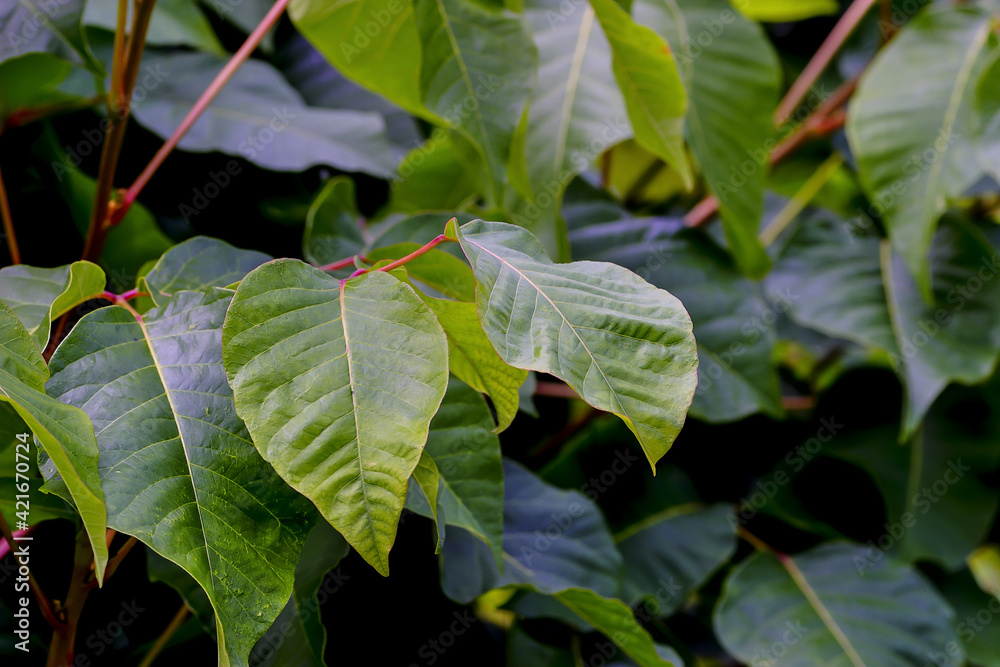
Myth. The old adage: “Leaves of three, let it be,” is a good rule to follow when it comes to identifying poison ivy (which has three leaves). However, the rule doesn’t apply universally to all of these plants. Poison oak can have three to five leaves. Poison sumac typically has clusters of seven to thirteen leaves.
Myth vs. Fact #4: “Dead plants are safe.”
Myth. Urushiol remains active on dead plants for up to five years, meaning they can still cause allergic reactions.
Myths and Facts About How Poison Ivy Spreads
Can poison ivy spread from person to person? Or can you get poison ivy in winter?
Here are some poison ivy facts and myths related to how you can be exposed to it, as well as to poison oak and sumac, and how the oil can be spread.
Myth vs. Fact #5: “You can’t get poison ivy in winter.”
Myth. The answer to the question, “Can you get poison ivy in winter?” is “yes.” The Urushiol oil remains active year-round. Even bare vines and roots can still cause rashes.
Myth vs. Fact #6: “Burning poison ivy is safe if you’re far away.”
Myth. Burning poison ivy, poison oak, or sumac releases urushiol oil into the smoke, which is highly toxic when inhaled. Even if you’re far away, inhaling this smoke can cause severe and potentially life-threatening lung irritation and respiratory problems. The toxin transfers from the plants to the smoke, making burning these plants extremely dangerous.
So, if you’re hiking or backpacking and you decide to have a campfire, be sure you do not use wood that has had any exposure to these plants.

Myth vs. Fact #7: “You have to touch the plant directly to get a rash.”
Myth. Urushiol can be transferred indirectly via objects like clothes or tools as well as animals that have come into contact with the plant.
Myth vs. Fact #8: “Poison ivy rash is contagious & can spread from person to person.”
Myth. Poison ivy rash is not contagious (like a virus) once the irritating oil, urushiol, is washed away. However, precautions should be taken as urushiol can still spread from clothes or gear to you, others, or even pets.
Myth vs. Fact #9: “Poison ivy rashes spread through oozing blisters.”
Myth. The fluid in the blisters is produced by your body’s immune response and does not contain urushiol, so it cannot cause new rashes. Once the urushiol oil from poison ivy, oak, or sumac has bonded with your skin, scratching the rash will not transfer the rash to new areas. However, if you scratch an irritated area before the oil is fully washed off—typically within the first 8 hours after exposure—you can spread urushiol to other parts of your body and cause new rashes. After the oil is removed, the rash cannot spread by touch.
It’s important to wash clothing, gear, and pets that may carry urushiol to avoid re-exposure.
Myth vs. Fact #10: “You can get poison ivy in your eyes.”
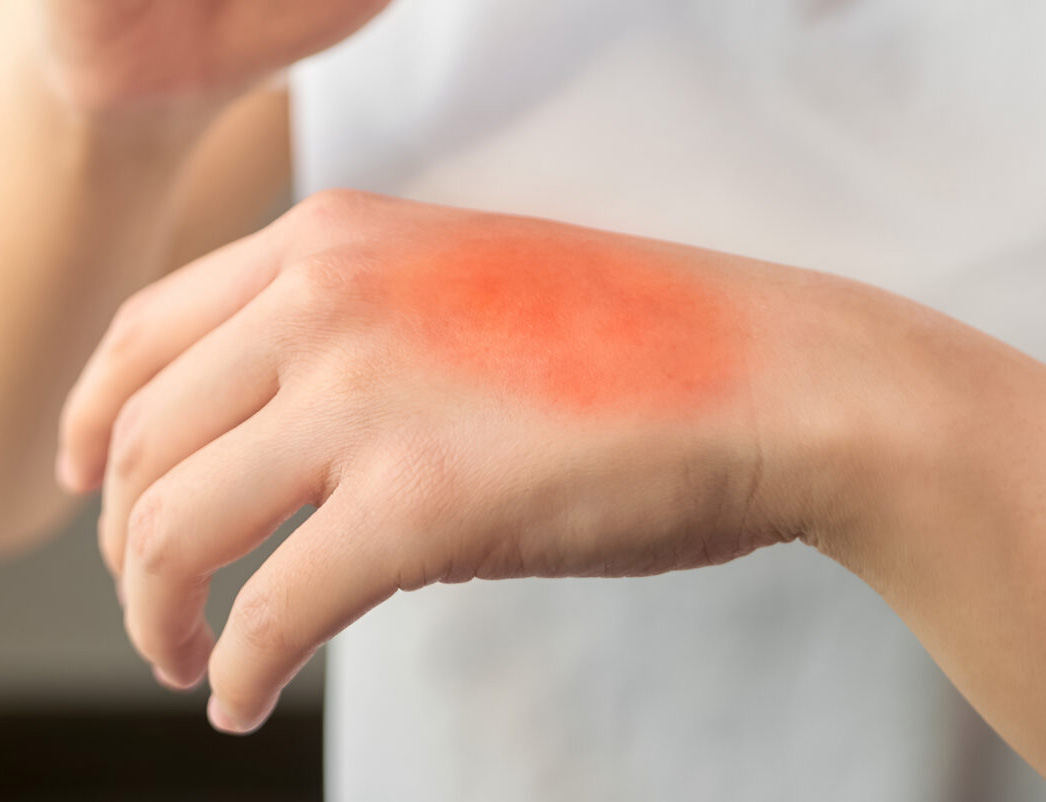
Fact. If you’ve ever wondered, “Can you get poison ivy in your eye?” The answer is “yes.” Rubbing your eyes with contaminated hands or sweat dripping into your eyes from skin that has the oil on it can cause a reaction. If you experience this, rinse immediately with water.
Myth vs. Fact #11: “Goats eat poison ivy, which cleans up the landscape.”
Fact. You might have seen goats grazing in a field and wondered, “Can goats eat poison ivy?” The answer is “yes”. Goats enjoy it and, unlike humans, they have a natural immunity to the oil in these plants. However, don’t rely on them to clear hiking trails—urushiol can linger on their fur and still cause a reaction if you touch it.


Pro Tip:
Your pets can also get the oil from poison ivy, oak, or sumac on their fur. If you hike regularly with your dog in areas where these plants grow, be sure to give them a bath after the hike to wash any urushiol off their fur.
Enjoy the outdoors without the worry.
Experience fast relief from poison ivy itch and irritation with Ivarest

Poison Ivy Immunity
Can you be immune to poison ivy, poison oak, or sumac? This is a question many people wonder about. Here are some myths and facts related to this topic.
Myth vs. Fact #12: “I’ve never had poison oak or poison ivy. So, I must be immune.”
Myth. Saying you’re “immune” can be misleading. Most people—between 85% and 90%—are allergic to urushiol, but it may take several exposures before a reaction occurs. So even if you haven’t reacted yet, you could still develop a rash after future contact. However, it’s also true that some people aren’t allergic and may never experience any reaction.
Myth vs. Fact #13: “If I’m immune now, I’ll always be immune.”
Myth. Just because you don’t have a reaction after exposure one time, doesn’t mean you won’t have one later. Even if you’ve never had a reaction, it’s still a good practice to avoid these plants while hiking and spending time outside.
Myth vs. Fact #14:”You can develop an immunity to poison ivy.”
Myth. There’s no evidence that exposure builds immunity. In fact, repeated contact often makes people more sensitive over time.

Myth vs. Fact #15: “Chewing poison ivy leaves can boost your immunity.”
Myth. This is dangerous and false. Unlike goats, who are naturally immune, humans can have severe allergic reactions if they chew poison ivy leaves. The urushiol oil can cause dangerous irritation in the mouth, throat, and lungs, sometimes requiring emergency care.
Myth vs. Fact #16: “If you’re allergic to one plant, you could be allergic to all three.”
Fact. Poison ivy, oak, and sumac all produce urushiol oil. So, if you’re allergic to one of the plants, you’re likely allergic to all three.
Myths and Facts About Poison Ivy Treatments
Myth vs. Fact #17: “Vinegar kills poison ivy, poison oak, and sumac.”
Myth. The answer to the question, “Can vinegar kill poison ivy?” is “yes”—as long as the vinegar is highly potent and the plant is exposed enough. However, most gardening vinegar solutions will not kill it entirely. The vinegar might kill the leaves of the plant, but it might not kill the roots. Safely removing the plants manually using gloves is more effective.
Myth vs. Fact #18: Rubbing alcohol can soothe the side effects of poison ivy, oak, and sumac.”
Fact. The answer to the question, “Can rubbing alcohol help poison ivy?” is “yes.” Rubbing alcohol can help if used within 10 minutes of exposure. It dissolves urushiol before it soaks into your skin.
Prevention and Treatment Essentials
Whether you’re hiking through dense woods or gardening in your back yard, it’s important to know how to protect yourself from poison ivy, oak, and sumac. A few simple precautions and quick treatments can make all the difference.
Preventative Steps:
- Wear long sleeves and pants while hiking in areas where poison ivy, oak, or sumac may grow.
- Wash your hands thoroughly with soap and cold water after hiking or possible exposure. (Hot water can open your pores and increase risk of exposure.)
- Use a poison ivy oil remover after hiking that will clean urushiol off your skin.
- If you hike with your dog, be sure to give your dog a bath after the hike to wash the oil off their fur.
Treatment:
- Use a poison ivy antihistamine cream like Ivarest to soothe irritated, itchy skin.
- Rub poison ivy itch cream on your skin.
- Spray poison ivy anti-itch spray on your skin.
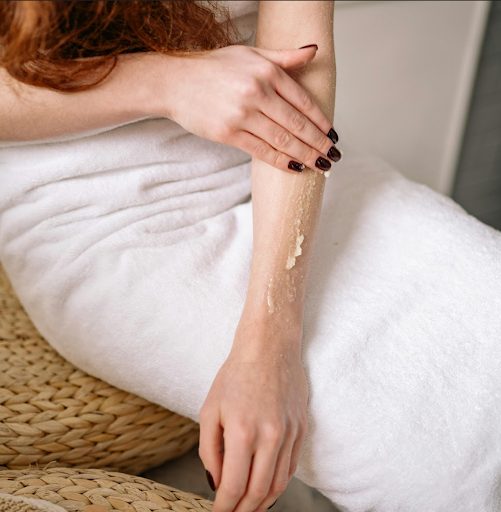
Can poison ivy go away on its own?
Yes, poison ivy rashes typically clear up on their own in 1–3 weeks. However, treatments such as topical creams like Ivarest and antihistamines can reduce itching and discomfort.
The More You Know, the Less You’ll Itch
Knowing the difference between the myths and facts when it comes to poison ivy, poison oak, and sumac can help you stay safe while enjoying your time hiking, being in nature, and exploring the great outdoors. With the right precautions, you can avoid the itch and have stress-free adventures.
Frequently Asked Questions About Poison Ivy Treatment
How quickly can I kill poison ivy?
This depends on the method you use to kill it. Manual removal with hands may expose you to the plant’s oil, causing a nasty itch, but doing so will remove it immediately. Meanwhile, you can throw boiling water on poison ivy, however, you’ll need to do so a number of times before the ivy dies.
Can pets be affected by poison ivy?
While most pets don’t develop a rash, they can carry the oil on their fur, which can transfer to humans. It’s a good idea to wash your pet if they’ve been in an area with poison ivy.
How can I prevent poison ivy from growing in my yard?
Regularly inspect your garden, remove new growth early, and apply mulch or ground cover to suppress weed growth. You can also use a commercial herbicide if necessary.
Can I compost poison ivy?
No. Poison ivy should never be composted, as urushiol can remain active in compost and potentially cause skin irritation.